
I’ve spent enough time in corporate boardrooms and renovation sites to know that most “wellness” advice is just expensive noise designed to make you feel like you’re failing. We’ve all seen the influencers pushing complicated meal prep routines that require a culinary degree and three hours of your evening. But when you’re staring down a deadline or a long day of physical labor, you don’t need a lifestyle overhaul; you just need easy healthy recipes that don’t require a chemistry set to execute.
I’m not here to sell you on a fad or a restrictive diet. Instead, I’ve narrowed it down to four reliable, high-utility meals that focus on sustained energy rather than hype. These are the kind of foundational recipes you can rely on when your schedule gets chaotic and you need something that actually fuels your body without adding more stress to your plate. Let’s get to work.
The Sheet Pan Standard

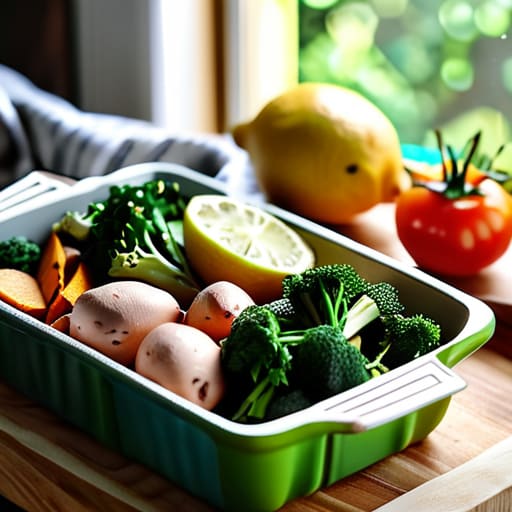
Most people make cooking way too complicated by thinking they need a dozen different pots and pans. If you want to eat well without turning your kitchen into a disaster zone, the sheet pan method is your best friend. You just toss some protein—chicken thighs or salmon work great—along with chopped vegetables like broccoli or bell peppers in olive oil and basic seasoning, then slide it into the oven. It’s about minimizing the variables so you can focus on the results.
The Power of the Grain Bowl
I’m not a fan of those “superfood” bowls that cost fifteen dollars and taste like cardboard. What you actually need is a modular assembly system for your lunch. Start with a sturdy base of quinoa or brown rice, add a handful of greens, a protein source like canned chickpeas or leftover steak, and a healthy fat like avocado. It’s not about following a strict recipe; it’s about understanding how the components work together.
One-Pot Protein Stews
There is something deeply satisfying about a meal that simmers away while you’re busy doing other things. A hearty lentil or bean stew is the ultimate low-maintenance fuel. You throw your legumes, aromatics like onions and garlic, and some broth into a single pot, let it do its thing, and you have a nutrient-dense meal that actually improves the next day. It’s the culinary equivalent of a well-built tool: simple, durable, and dependable.
The High-Protein Breakfast Scramble
Forget the sugary cereals or the complicated overnight oats that you inevitably forget to eat in the morning. If you want to start the day with actual focus, you need a functional breakfast. A simple scramble with eggs, spinach, and maybe some feta cheese takes less than five minutes and provides the steady energy you need to tackle a heavy workload. It’s about avoiding the glucose spikes and crashes that ruin your morning productivity.
The Bottom Line
Stop chasing the “superfood” labels and focus on consistency; a simple, reliable meal you can actually prepare is better than a complex recipe you’ll abandon by Wednesday.
Treat your nutrition like a well-oiled machine—keep the inputs simple, the preparation predictable, and the ingredients functional so you aren’t wasting mental energy on decision fatigue.
Cutting Through the Noise
At the end of the day, these recipes aren’t about chasing a perfect physique or following some influencer’s restrictive protocol. They are about systems and reliability. By focusing on simple proteins, versatile grains, and vegetables that don’t require a culinary degree to prep, you’re building a foundation that won’t crumble when your workday goes sideways. You don’t need a pantry full of expensive, unidentifiable powders; you just need a few dependable staples that keep your energy levels steady and your brain functioning.
Don’t let the complexity of modern wellness culture intimidate you into inaction. Most of the noise is just marketing designed to make you feel like you’re doing it wrong. My advice? Pick one of these methods, test it out in your own kitchen, and see if it actually fits your workflow. Once you find a meal that works, stick to it. Building a healthy life is a lot like restoring an old synthesizer—it’s about the consistent, small adjustments that eventually lead to a smooth, functional result.