
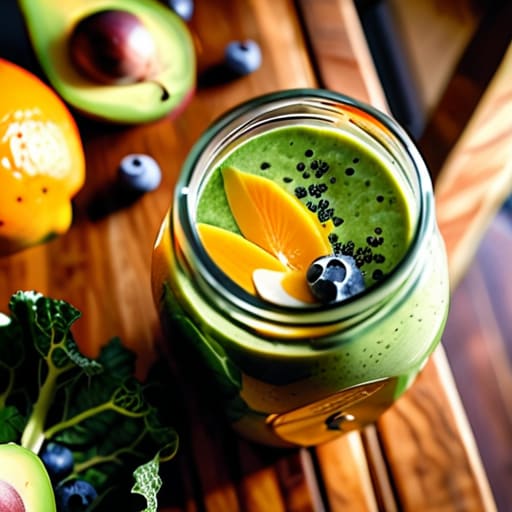
I’m tired of seeing these “wellness influencers” treat a simple breakfast like a chemistry experiment involving twenty-dollar powders and exotic extracts you can’t even pronounce. If you follow the hype, you’ll end up with a jar of expensive sludge that tastes like chalk and leaves you hungry by ten a.m. Most people overcomplicate the process of how to make a smoothie when all you really need is a bit of logic and a decent set of tools. I’ve spent enough time troubleshooting complex systems to know that complexity is usually just a mask for inefficiency.
I’m not here to sell you on a lifestyle overhaul or a subscription to some miracle supplement. My goal is to show you a streamlined, repeatable system for building a drink that actually fuels your morning without wasting your time or your paycheck. I’ll walk you through the basic ratios and the essential gear so you can master how to make a smoothie that is functional, filling, and actually tastes good. Let’s get to work.
Selecting the Best Blender for Smoothies and Reliable Results
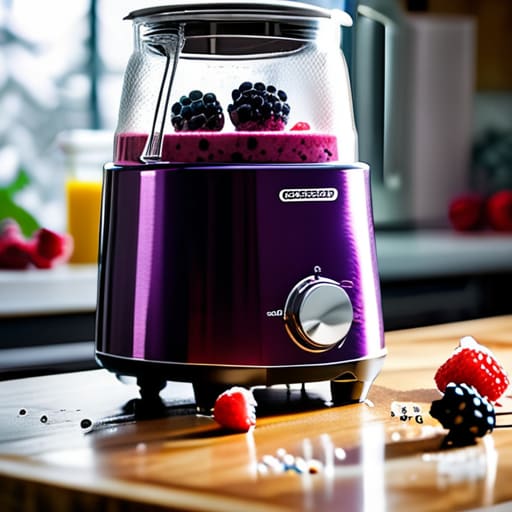
Don’t get lured into the marketing trap of buying a $600 machine just because it has a touchscreen and a Bluetooth connection. In my experience, most of those high-end gadgets are just over-engineered solutions to a problem that doesn’t exist. If you want the best blender for smoothies that actually lasts, look for high-torque motors and heavy-duty blades. You need something that can handle a handful of ice or frozen berries without sounding like a jet engine taking off in your kitchen. A solid, mid-range model with a simple toggle switch will outlast the fancy ones every single time.
The real secret to a consistent result isn’t the brand name, though—it’s the physics of how you load the jar. If you want to avoid that annoying “air pocket” stall, start with your liquids first, then move to your powders or greens, and save the heavy stuff for the top. I’ve found that using frozen fruit vs fresh fruit makes a massive difference in the final consistency; using frozen elements acts like a built-in ice maker, giving you a thicker, more satisfying texture without watering everything down with excess ice. Keep it simple, keep it durable, and don’t pay for features you’ll never use.
Mastering Smoothie Base Ingredients for a Functional Foundation
Once you’ve got the right hardware, you need to stop thinking about “recipes” and start thinking about architecture. A good smoothie is built on a foundation of smoothie base ingredients that provide both stability and fuel. I usually lean toward a liquid base first—water, unsweetened nut milk, or even cold brew if I need a caffeine kick—to ensure the blades can actually do their job without getting bogged down. If you start with a pile of frozen solids on top of dry powder, you’re just asking for a motor burnout.
The real secret to a consistent morning routine lies in the frozen fruit vs fresh fruit debate. In my experience, using frozen fruit is the superior move; it acts as your built-in ice, giving you a thick, creamy consistency without watering everything down. If you’re looking for smoothie meal prep ideas that actually save time, toss your fruit into individual silicone bags on Sunday night. It turns a potentially messy process into a streamlined, one-step operation that fits perfectly into a busy workday.
Three Rules for a Smoothie That Doesn't Fail You
- Order of operations matters. Don’t just throw everything in the jar and hope for the best. Start with your liquids first, then your powders or soft items, and save the heavy frozen stuff and ice for the very top. It keeps the blades from getting bogged down and prevents that annoying air pocket that makes your motor scream without actually blending anything.
- Stop overcomplicating the flavor profile. You don’t need twelve different “superfood” extracts to make this work. Pick one solid protein source, one fruit, and one green, then call it a day. If you start adding too many variables, you’re just creating a chaotic mess that’s hard to balance and even harder to digest.
- Clean the gear immediately. This isn’t about being precious; it’s about efficiency. If you let fruit residue dry in the seal of the blender, you’re looking at a maintenance headache you don’t need. Rinse it with warm water and a drop of soap right after you pour your drink, and it’ll actually be ready to use when you need it tomorrow morning.
Bottom Line: Stop Overcomplicating the Process
Don’t get distracted by “superfood” marketing; focus on a solid base of frozen fruit and a reliable machine that won’t burn out after a month.
Treat your smoothie prep like any other workflow—get the right tools, prep your ingredients, and stick to a repeatable formula that actually keeps you full.
Getting the System Running
At the end of the day, making a decent smoothie isn’t about chasing some expensive wellness trend or buying every “superfood” powder on the shelf. It’s about the mechanics of it: having a reliable piece of hardware that won’t quit on you and a foundation of real, whole ingredients that actually provide sustained energy. Once you’ve dialed in your ratio of liquids to solids and picked a blender that can actually handle the load, you’ve solved the primary problem. You aren’t just making a drink; you’re building a repeatable process that fits into a busy schedule without any unnecessary friction.
Don’t get caught up in the aesthetic perfection you see on social media. Your smoothie doesn’t need to look like a work of art to do its job. If it tastes good, keeps you full through your morning meetings, and is easy to clean up, then you’ve succeeded. Focus on the functionality of your nutrition rather than the hype. Build a routine that works for your life, keep your tools sharp, and stay consistent. That is how you actually see results.