
I’ve spent enough time watching “lifestyle influencers” unbox $400 smart ovens and specialized gadgets that claim to revolutionize your cooking, but let’s be honest: most of those kitchen tips and tricks you see online are just expensive ways to add clutter to your counters. I remember a few years back, during a home renovation, I found myself staring at a drawer full of single-use vegetable slicers and specialized egg timers that I hadn’t touched in months. It wasn’t a high-performance workspace; it was a system failure.
I’m not here to sell you on a new way of life or a piece of tech that requires a Wi-Fi connection just to toast bread. What I want to do is help you apply some basic systems engineering to your cooking space. I’m going to share a few practical, battle-tested methods to help you streamline your workflow and get your kitchen running like a well-oiled machine. We’re going to focus on the tools and habits that actually stay useful long after the trends fade.
Mastering Meal Prep Efficiency Without the Fancy Gadgets
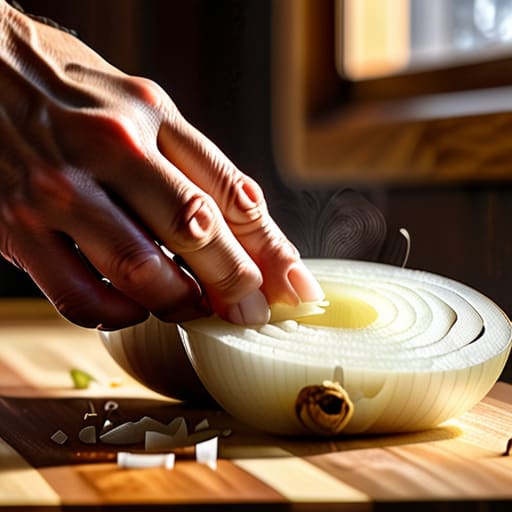
Look, I’ve seen enough “life hack” videos to know that you don’t need a $400 vacuum sealer or a specialized vegetable chopper to get ahead. Most of those gadgets are just more things to wash and more clutter to manage. If you want real meal prep efficiency, start with the basics: a sharp knife and a solid cutting board. I spent a weekend recently refining my own knife skills for beginners—not because I wanted to be a chef, but because a dull blade is a safety hazard and a slow tool is a wasted resource. When you can dice an onion in thirty seconds instead of three minutes, the whole rhythm of your evening changes.
Once the prep is done, don’t overcomplicate the aftermath. Forget the mismatched plastic tubs that leak in your bag; invest in a few high-quality, uniform glass containers. It’s a simple food storage solution that actually works. Uniformity means they stack perfectly, which keeps your fridge from looking like a junk drawer. It’s about building a system that functions, not a collection of shiny trinkets.
Food Storage Solutions That Actually Prevent Waste
Most people think they need a matching set of color-coded, airtight containers to get their act together, but that’s just more clutter to manage. I’ve learned that the best food storage solutions are the ones that actually force you to see what you have. I’m a big believer in the “first in, first out” rule—the same way you’d manage inventory in a warehouse. If you shove a bag of spinach into the back of the crisper drawer, it’s dead weight. Use clear glass containers whenever possible; if you can’t see the contents, you’ll forget they exist until they turn into a science project.
Beyond just the containers, it’s about how you treat the ingredients before they even hit the fridge. Stop treating your produce like it’s indestructible. A little bit of preparation—like washing and drying greens thoroughly or wrapping certain herbs in a damp paper towel—can extend their lifespan by days. It’s not about being fancy; it’s about minimizing the friction between buying food and actually eating it. When you treat your pantry and fridge like a functional system rather than a junk drawer, you stop throwing money in the trash.
Build a Workflow, Not a Collection
- Stop buying specialized single-use tools. If you find yourself looking at a “banana slicer” or a “garlic press” that’s a pain to clean, toss it. A single, high-quality chef’s knife and a solid paring knife will handle 95% of your prep work. Invest in the edge, not the novelty.
- Optimize your “work triangle.” I’ve spent enough time in commercial kitchens to know that movement is wasted energy. Arrange your spices, oils, and most-used tools within arm’s reach of the stove. If you have to walk across the room every time you need salt, your kitchen system is broken.
- Maintain your equipment like you would a piece of heavy machinery. A dull knife isn’t just annoying; it’s a safety hazard because it requires more force and is prone to slipping. Sharpen your blades regularly and keep your wooden cutting boards oiled. It’s basic preventative maintenance that keeps the whole operation running smoothly.
The Bottom Line on Kitchen Systems
Stop buying single-use plastic junk; invest in a few high-quality, versatile tools and airtight containers that actually do the job they were built for.
Efficiency isn’t about how much gear you own, it’s about how little friction there is between you and a finished meal.
Building a Kitchen That Works
At the end of the day, a functional kitchen isn’t about having the most expensive induction range or a collection of specialized slicers you use once a year. It’s about the systems you put in place. We’ve talked about streamlining your meal prep to save time, choosing storage solutions that actually keep your food from rotting, and ditching the clutter that slows your momentum. When you focus on optimizing your workflow rather than collecting more gear, you realize that efficiency is a byproduct of intentionality. If a tool doesn’t earn its keep through daily utility, it’s just taking up valuable real estate in your workspace.
Don’t feel like you have to overhaul everything by tomorrow morning. Start small—maybe it’s just organizing your most-used spices or setting up a better prep station. The goal isn’t perfection; it’s about creating a space that supports you instead of fighting you. Once you build a few solid habits, you’ll find that the kitchen becomes a place of calm productivity rather than a source of daily stress. Focus on the fundamentals, keep your tools sharp, and build something that lasts.