
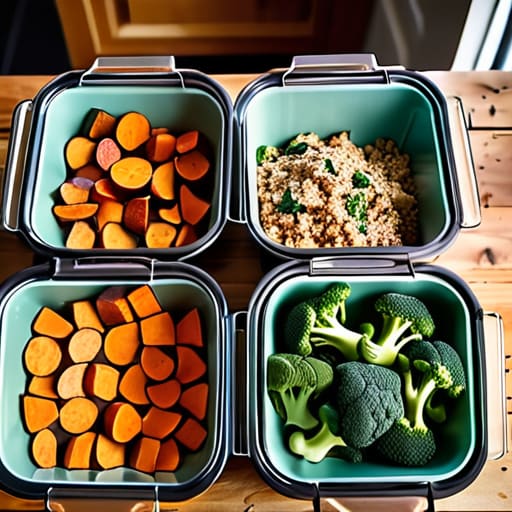
I’ve spent half my life watching people turn something as simple as eating into a high-maintenance production involving thirty different glass containers and a grocery bill that looks like a mortgage payment. If you’ve been scrolling through social media, you’ve probably seen those “aesthetic” meal prep videos that make batch cooking for beginners look like a full-time job requiring a degree in interior design. Let me tell you something: if your system requires you to spend six hours in the kitchen every Sunday just to feel organized, it’s a broken system.
I’m not here to sell you on a lifestyle overhaul or a collection of expensive Tupperware. My goal is to give you a functional framework—the kind of logic I use when I’m streamlining a workflow or restoring a piece of vintage gear. We’re going to focus on a no-nonsense approach to batch cooking for beginners that prioritizes efficiency and actual flavor over Instagram-worthy plating. I’ll show you how to build a repeatable process that works when you’re tired, busy, or just plain hungry, so you can stop overthinking dinner and get back to your life.
Mastering Weekly Meal Planning for Beginners Without the Stress
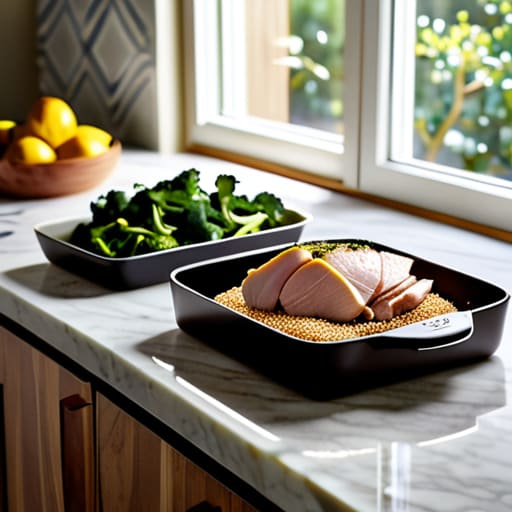
Most people fail at this because they try to plan a five-course gourmet menu for seven days straight. That’s not a plan; that’s a recipe for burnout. If you want to actually succeed with weekly meal planning for beginners, you need to treat it like an engineering problem. Don’t aim for variety for the sake of variety. Instead, pick two or three core proteins and a couple of versatile grains. If you prep a large batch of seasoned chicken and a massive pot of quinoa on Sunday, you’ve already solved 80% of your decision fatigue for the week.
The real secret to keeping this sustainable is knowing how to store cooked meals so they don’t turn into a science project by Thursday. I’m not talking about those tiny, aesthetic little plastic tubs you see on Instagram. Get some decent meal prep containers for freezing—something sturdy that won’t crack when the temperature shifts. If you can’t freeze it and have it taste decent when you reheat it, don’t bother making it. Keep it simple, keep it modular, and stop trying to be a chef when you’re really just trying to fuel your life.
Budget Friendly Bulk Cooking That Actually Works for Your Life
Look, I’m not interested in those Pinterest-perfect setups where every container is color-coded and looks like a work of art. That’s a recipe for burnout, not efficiency. If you want to master budget friendly bulk cooking, you need to focus on high-yield, low-cost staples—think dried lentils, rice, or seasonal root vegetables. These are the components that actually keep you full without draining your bank account. Buy in bulk, cook in large batches, and stop overthinking the variety.
The real trick to making this sustainable is your storage strategy. Don’t just throw leftovers in random Tupperware and hope for the best; you’ll end up with a science experiment in the back of the fridge. Invest in decent meal prep containers for freezing that actually seal tight. If you can’t grab a meal and heat it up in under five minutes, the system is broken. It’s about building a workflow that survives a busy Tuesday, not a culinary exhibition.
Three Rules to Keep Your Kitchen from Turning Into a War Zone
- Don’t try to cook five different recipes at once. That’s how you end up with a sink full of dishes and three mediocre meals. Pick one base protein, one grain, and two roasted vegetables. It’s boring, sure, but it’s modular. You can swap the sauce or the seasoning on Wednesday to keep it from feeling like a chore, but the foundation stays the same.
- Invest in actual containers, not cheap plastic that stains and leaks. I’ve spent too many hours cleaning up spilled chili because I tried to save ten bucks on a generic set. Get some decent, airtight glass containers. They stack better, they don’t hold onto the smell of last week’s garlic, and they actually survive the microwave without warping.
- Build in a “buffer” day. If you plan to cook everything on Sunday, you’re setting yourself up for failure if a project runs late or you just don’t feel like it. Aim to prep on Sunday evening, but keep one or two “emergency” frozen meals in the back of the freezer. A system that breaks the moment life gets messy isn’t a system—it’s a fantasy.
The Bottom Line
Stop trying to prep twenty different recipes; pick two versatile proteins and three vegetables, cook them in bulk, and rotate them so you don’t burn out by Wednesday.
Invest in decent, stackable containers rather than cheap plastic that leaks; a system only works if the hardware is reliable enough to actually hold the food you’ve prepared.
Getting Your System Running
At the end of the day, batch cooking isn’t about achieving some perfect, Pinterest-worthy aesthetic or following a rigid, complicated diet. It’s about building a functional system that serves you, rather than you serving the kitchen. We’ve talked about keeping your planning simple, sticking to a budget that makes sense, and focusing on versatile ingredients that won’t go to waste. If you can master the basics of bulk cooking and meal scheduling, you’ve already done the hard work of eliminating the daily decision fatigue that drains your energy by 6:00 PM.
Don’t feel like you have to overhaul your entire life this Sunday. Start small—maybe just cook one extra batch of grains or a single pot of protein—and see how it fits into your workflow. The goal isn’t perfection; it’s about creating a bit of predictable stability in a world that feels increasingly chaotic. Once you get your rhythm down, you’ll realize that the time you save isn’t just about eating; it’s about having the breathing room to focus on the things that actually matter.