
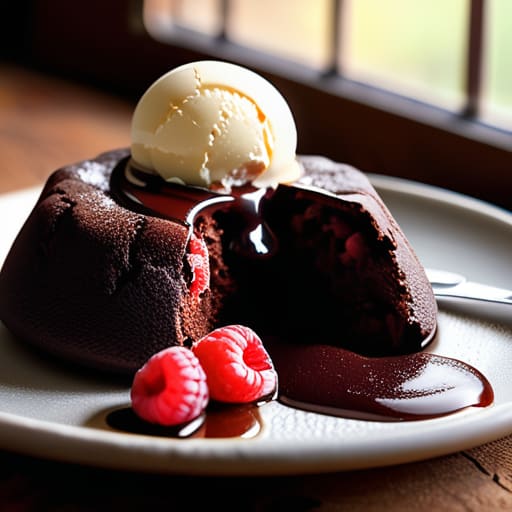
I’ve spent enough time in corporate boardrooms and home workshops to know that most people overcomplicate things that don’t need to be complicated. The same goes for the kitchen. You see these elaborate, multi-step pastry tutorials online that look great on camera but leave you with a mountain of dishes and a sense of defeat. Most of those “gourmet” trends are just noise; what you actually need are easy dessert recipes that deliver a solid result without requiring a culinary degree or a specialized toolkit.
I’m not here to waste your time with fluff or ingredients you can’t find at a standard grocery store. Instead, I’ve narrowed it down to four reliable options that focus on efficiency and flavor. These are the heavy lifters—the kind of desserts you can pull together when you’re exhausted or hosting a last-minute crowd, knowing they’ll actually work every single time. Let’s get to the stuff that actually matters.
The Three-Ingredient Chocolate Mousse
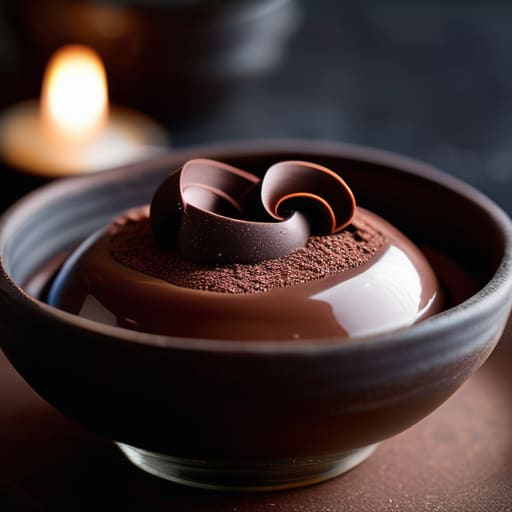
Most people think you need a culinary degree and a kitchen full of specialized equipment to make a decent mousse. In reality, that’s just unnecessary friction. If you have high-quality dark chocolate, heavy cream, and a little bit of sugar, you’re already halfway there. I like to approach this like a systems problem: it’s all about the temperature control. If your cream is too warm or your chocolate is too cold, the whole thing breaks down into a grainy mess.
Cast Iron Fruit Crumble
I’ve spent enough time in my workshop to appreciate a tool that does multiple jobs well, and a cast iron skillet is exactly that for your kitchen. A fruit crumble is the ultimate “set it and forget it” dessert. You don’t need a fancy pie crust or a perfectly crimped edge; you just need seasonal fruit—apples or berries work best—and a topping of oats, butter, and flour. The heavy-duty heat retention of the skillet ensures the fruit at the bottom gets jammy while the top stays crisp.
Salted Dark Chocolate Bark
When I’m working late on a project or tinkering with an old synthesizer, I don’t want something that requires a fork and a plate. I want something efficient. Making chocolate bark is essentially just a simple assembly task. Melt some high-percentage cacao chocolate, spread it thin on a parchment-lined sheet, and then scatter your “components”—think toasted almonds, dried cranberries, or even crushed pretzels—across the surface.
Classic Affogato
Sometimes, the best solution is to stop trying to build something complex and just combine two things that already work perfectly together. An affogato is the epitome of functional design. You take a single scoop of high-quality vanilla gelato or ice cream and pour a shot of hot, strong espresso right over the top. That’s it. No baking, no measuring, and absolutely zero margin for error.
The Bottom Line
Stop chasing perfection; a dessert’s job is to satisfy a craving, not to win a culinary competition.
Stick to high-quality, reliable ingredients over complex techniques to ensure a consistent result every single time.
Stick to the Basics
At the end of the day, you don’t need a pantry full of exotic ingredients or a degree in pastry arts to satisfy a sweet tooth. Whether you’re whipping up a quick fruit crumble or keeping a batch of reliable brownies on hand, the goal is efficiency. These recipes work because they rely on proven fundamentals rather than flashy techniques that fall apart the moment things get busy. I’ve found that when you strip away the unnecessary complexity, you’re left with something that actually delivers on its promise every single time you pull it out of the oven.
Don’t let the pressure of “perfect” cooking ruin the experience for you or your guests. Life is chaotic enough without turning your kitchen into a high-stress laboratory every time you want a treat. Focus on the functional joy of a good meal and the satisfaction of a process that works. If the dessert tastes good and the cleanup is minimal, you’ve already won. Now, go grab your apron and get to work—just keep it simple.