
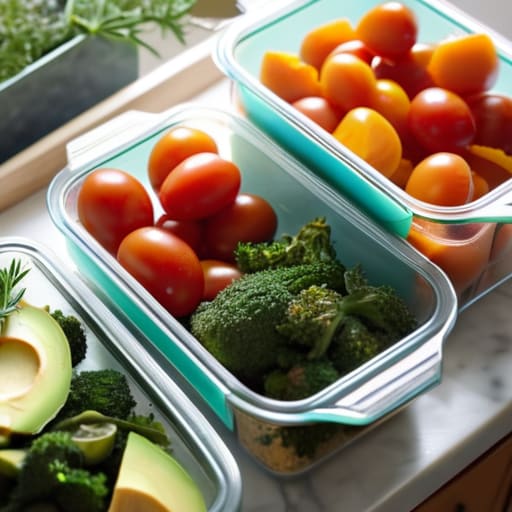
I’ve spent enough time in corporate boardrooms and messy job sites to know that most people approach nutrition like they approach a poorly planned project: they wing it until everything collapses. You start the week with high intentions, but by Wednesday afternoon, you’re staring at a takeout menu because your “system” failed. Chasing every new superfood fad is a waste of energy; what you actually need are healthy meal prep ideas that function like a well-oiled machine. If your food prep isn’t sustainable, it’s just another piece of broken equipment cluttering up your mental space.
I’m not here to give you a list of complicated, thirty-ingredient recipes that require a culinary degree to execute. Instead, I’ve boiled this down to four practical, high-leverage strategies that focus on versatility and efficiency. We’re going to look at how to build a foundation of food that keeps you fueled without turning your kitchen into a second full-time job. Let’s get to work.
Build a base of versatile grains
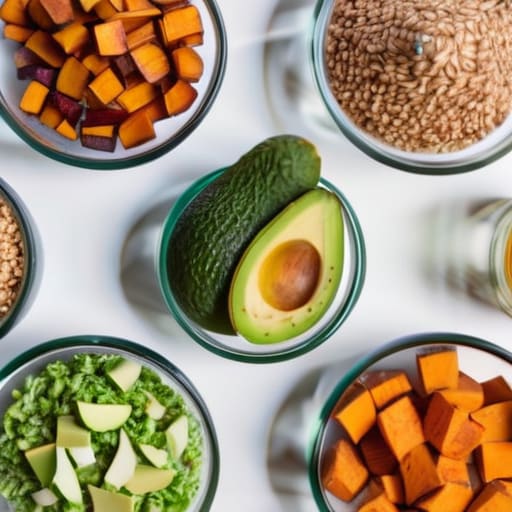
Most people fail at meal prep because they try to build a complicated, single-use dish that tastes like cardboard by Wednesday. Instead, treat your kitchen like an assembly line. Spend thirty minutes on Sunday boiling a large batch of something reliable, like quinoa, farro, or even brown rice. These aren’t just side dishes; they are the structural foundation of your meals.
The power of roasted protein batches
If you’re looking for efficiency, stop cooking meat every single night. That’s a recipe for burnout and a cluttered kitchen. I prefer to roast two or three different proteins at once—think chicken thighs, flank steak, or even a tray of seasoned tofu. Use high heat and simple seasonings like salt, pepper, and garlic powder. You want the flavor to be neutral enough to adapt to different cuisines throughout the week.
Sheet pan vegetable systems
We tend to overcomplicate nutrition with “superfood” powders and expensive supplements, but most of what you need is just consistent fiber. I find that roasting a massive tray of seasonal vegetables—broccoli, sweet potatoes, bell peppers, whatever is on sale—is the most low-maintenance way to hit your goals. It’s a set-it-and-forget-it approach that works every single time.
Master your sauce inventory
This is where most meal prep enthusiasts go wrong. They eat the same flavor profile five days in a row and eventually start to resent their healthy habits. To prevent this, don’t season your main components too heavily during the cook. Instead, keep a small “library” of high-quality sauces in your fridge. A good tahini dressing, a spicy salsa, or even a simple balsamic glaze can completely transform the same base ingredients.
The Bottom Line
Stop trying to engineer a perfect, gourmet menu every Sunday; just focus on prepping versatile components that give you options when the week gets chaotic.
If a system is too complex to maintain during a high-stress work week, it’s a bad system—simplify your prep until it actually becomes a tool rather than another chore.
Build a System, Not a Diet
At the end of the day, meal prepping isn’t about following a rigid, color-coded spreadsheet or buying every expensive supplement on the shelf. It’s about building a functional framework that prevents you from making poor decisions when you’re tired and hungry on a Tuesday night. Whether you’re batch-cooking versatile proteins, prepping hardy grains, or just keeping a rotation of easy-to-assemble bowls, the goal is the same: reducing friction. If you focus on high-utility staples rather than complex recipes, you’ll find that healthy eating becomes a background process rather than a constant, draining chore.
Don’t get discouraged if your first attempt feels a little clunky or if you end up ordering takeout once in a while. Systems engineering teaches us that no process is perfect on the first run; you iterate, you tweak, and you refine. The real win isn’t achieving a “perfect” diet, but rather creating a sustainable rhythm that actually fits into your real, messy life. Stop looking for the magic bullet and start building the foundation. Once the system is running, you can stop worrying about what’s for dinner and get back to the things that actually matter.