
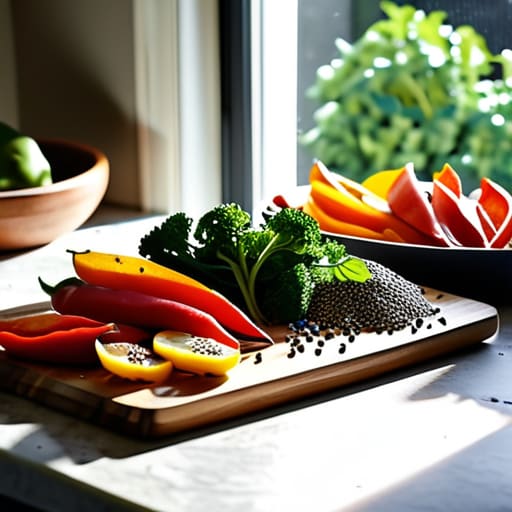
I spent most of my twenties watching people treat meal prepping like a competitive sport, filling their feeds with color-coordinated glass containers and enough organic microgreens to feed a small village. It’s exhausting, it’s expensive, and frankly, it’s a bad system. If you’re looking for a way to learn how to meal prep by spending four hours on a Sunday making “aesthetic” quinoa bowls that taste like cardboard by Wednesday, you’re in the wrong place. I don’t care about the presentation; I care about reducing decision fatigue so you aren’t staring blankly into a fridge at 7:00 PM when your brain is fried from work.
I’m going to show you how to approach your food like a systems engineer. We aren’t going to chase trends; we’re going to build a functional workflow that fits into your actual life, not some idealized version of it. I’ll share the practical, low-maintenance methods I use to keep my kitchen running smoothly without turning my entire weekend into a second job. Let’s focus on what actually sustains you when the day gets heavy.
Mastering Batch Cooking Techniques for Real World Efficiency
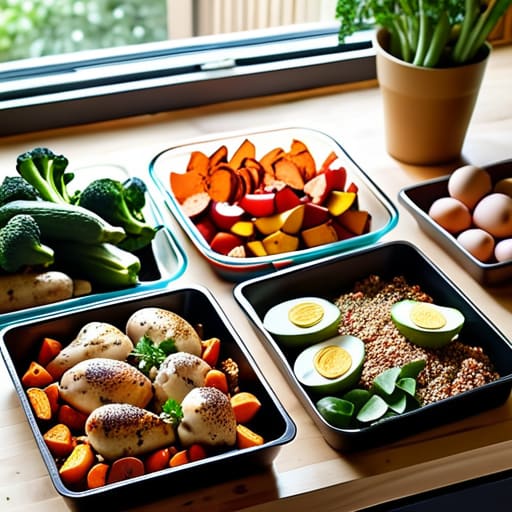
Most people approach batch cooking like they’re running a high-stakes kitchen during a dinner rush, and that’s where they fail. They try to cook five different complex recipes at once, end up with a mountain of dishes, and quit by week two. If you want this to stick, you need to treat it like a systems engineering problem. Instead of focusing on individual recipes, focus on batch cooking techniques that maximize your output with minimal friction. I’m talking about roasting two trays of vegetables and prepping a large protein source simultaneously. It’s not about being a chef; it’s about building a modular inventory of ingredients that you can mix and match throughout the week.
Once you have your components, the hardware matters. Don’t get caught up in the “aesthetic” kitchenware craze, but do invest in decent meal prep containers for storage that actually seal properly. There is nothing more frustrating than opening a container on Thursday to find your food has leaked all over the fridge or turned into a soggy mess. If your storage system is reliable, the mental load of “what’s for dinner” disappears. You aren’t just storing food; you’re protecting your future time.
Investing in Quality Meal Prep Containers for Storage
Look, I’ve spent enough time in renovation to know that if you buy cheap tools, you’ll end up buying them twice. The same logic applies to your kitchen. Don’t get distracted by those neon-colored, flimsy plastic sets you see in social media ads; they’re a recipe for frustration. If you’re serious about meal prep containers for storage, invest in glass. They don’t retain smells, they won’t leach chemicals into your food when you microwave them, and they actually stack properly in a crowded fridge.
A good system relies on modularity. I prefer containers that are uniform in size so they nest together without wasting an inch of shelf space. If you’re using these for healthy meal prep ideas like roasted vegetables or grains, you need seals that actually hold air. There is nothing worse than pulling out a container on Thursday only to find your greens have turned to mush because the lid wasn’t airtight. Buy once, buy right, and keep your workflow clean.
The Three Pillars of a Functional Meal System
- Stop trying to cook five different recipes on Sunday. That’s a recipe for burnout and a sink full of dishes you’ll never want to touch again. Instead, treat your ingredients like modular components. Roast two big trays of vegetables, cook a massive batch of a neutral grain like quinoa or farro, and prep two different proteins. If you have the right components, you can assemble a different bowl every night without needing a culinary degree or a mountain of cleanup.
- Build your prep around your weakest hour. Most people try to meal prep for their “best selves”—the version of them that wakes up at 6:00 AM ready to crush a kale salad. That person doesn’t exist on a rainy Wednesday when work is piling up. Plan your meals for your “exhausted self.” If you know you’re going to be drained by 7:00 PM, make sure you have something that requires zero assembly and nothing more than a microwave.
- Don’t neglect the “Flavor Kit.” A meal becomes a chore when it tastes like wet cardboard by day three. Keep a small station in your fridge or pantry with high-quality, low-effort modifiers: a good hot sauce, a jar of pickled onions, some toasted seeds, or a decent vinaigrette. It’s much easier to fix a boring meal with a quick hit of acidity or crunch than it is to cook a brand-new dish from scratch.
The Bottom Line on Making This Work
Stop trying to be a gourmet chef every Sunday; focus on building a repeatable system of proteins and grains that keeps you fed without the decision fatigue.
Invest in tools and containers that actually last, because if your gear fails or leaks, your entire workflow breaks down and you’ll end up ordering takeout anyway.
The Bottom Line
At the end of the day, meal prepping isn’t about achieving some Instagram-perfect aesthetic or following a rigid, complicated diet. It’s about the systems we discussed: mastering your batch cooking so you aren’t working harder than you have to, and getting the right containers so your food actually stays edible by Thursday. When you treat your kitchen like a well-oiled machine rather than a place of chaos, you stop making decisions based on hunger and fatigue. Focus on the functional basics first. If you get the storage and the prep cycles right, the rest of the nutrition stuff tends to fall into place without the constant mental friction.
Don’t feel like you have to overhaul your entire life this weekend. Start small—maybe just prep one protein or one grain for the week. The goal isn’t perfection; it’s operational stability. Once you build a system that works for your actual schedule, you’ll find you have more mental bandwidth for the things that actually matter. Build a foundation that lasts, and let the rest of the noise fade away.