
I was standing in my kitchen last Tuesday, staring at a sink full of gray, stagnant water and a half-empty bottle of expensive, caustic liquid cleaner that promised a “miracle cure.” It felt like a scene from a bad infomercial, but the reality was much messier: I was wasting time and money on a chemical solution that was doing nothing but damaging my pipes. Most people think they need a magic potion to fix a backup, but if you’re looking for the real way to learn how to unclog a drain, you need to stop looking for a quick fix and start looking for a mechanical solution.
I’m not here to sell you on some high-tech gadget or a trendy “life hack” you saw on social media. My goal is to give you a straightforward, systems-based approach to getting your plumbing back in working order using tools you likely already have in your garage. We’re going to skip the expensive nonsense and focus on the practical methods that actually clear the obstruction and keep it from coming back. Let’s get to work.
Guide Overview
Tools & Supplies
- Plunger [Cup-style for sinks or flange-style for toilets]
- Drain Snake [Handheld auger to reach deep clogs]
- Baking Soda [1/2 cup]
- White Vinegar [1/2 cup]
- Boiling Water [1 kettleful]
Step-by-Step Instructions
- 1. First, clear out the physical debris. If you’re looking at a sink or a tub, pull out the stopper and use a pair of needle-nose pliers or even just your fingers (wear gloves, please) to fish out any clumps of hair or congealed soap scum sitting right at the surface. Most people jump straight to chemicals, but half the time, the problem is just a physical blockage that a simple mechanical removal can solve in thirty seconds.
- 2. Grab a plunger, but don’t just go to town on it like you’re trying to start a lawnmower. You need a proper cup plunger for sinks or a flange plunger for toilets. Fill the basin with enough water to cover the bell of the plunger, then seal the overflow hole (that little hole near the rim of the sink) with a damp rag. You need to create a tight vacuum seal to actually move the clog, otherwise, you’re just pushing air around.
- 3. If the plunger fails, it’s time to go deeper with a drain snake. I don’t care how much they advertise those “automatic” electric versions; a standard hand-cranked manual snake is all you really need for a residential clog. Feed the cable into the drain until you feel resistance, then crank the handle to hook onto whatever is causing the backup. Once you feel that “catch,” pull it back slowly to bring the mess out with you.
- 4. If you’re dealing with a kitchen sink and you’re feeling a bit more adventurous, you might need to tackle the P-trap. Place a bucket underneath the U-shaped pipe beneath your sink to catch whatever sludge is about to fall out. Unscrew the slip nuts by hand or with a pair of channel locks, remove the trap, and clean it out manually in a different sink or outside with a garden hose. This is where the real “gunk” usually lives.
- 5. Once the physical obstruction is gone, you need to flush the system to ensure the pipes are truly clear. Skip the expensive, caustic liquids that can damage your plumbing over time. Instead, pour a half-cup of baking soda down the drain, followed by a half-cup of white vinegar. Let it fizz for about fifteen minutes, then flush it with a full kettle of boiling water. It’s a cheap, effective way to strip away the remaining grease and soap residue.
- 6. Finally, do a stress test. Run the water at full blast for a few minutes to make sure the flow is consistent and there are no signs of leaking around the joints you just worked on. If it drains smoothly, you’re done. If it starts backing up again immediately, you likely have a deeper issue further down the main line, and that’s when it’s time to stop playing DIY and call in a professional plumber.
Mastering Plunger Techniques for Sinks and Real Results
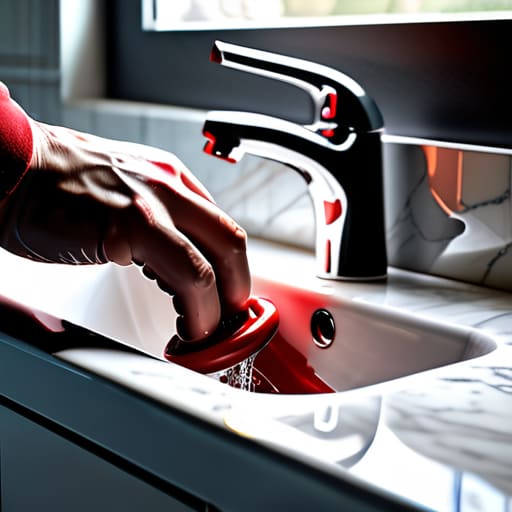
Most people treat a plunger like they’re trying to pump up a bicycle tire, but that’s not how physics works here. If you’re dealing with a sink, you aren’t just trying to push the clog down; you’re trying to create a vacuum. For a standard bathroom sink, you actually need to block the overflow hole with a wet rag first. If you don’t, you’re just venting the pressure into thin air instead of forcing it against the obstruction. Mastering these plunger techniques for sinks is about creating a seal so tight that the only way for the water to go is through the blockage.
Once you’ve got the seal, stop being timid. It’s not about the force of the push; it’s the strength of the pull that usually breaks the tension of the clog. If the plunger isn’t doing the trick after a few solid rounds, don’t keep beating the porcelain. That’s when you stop playing around and start using a plumbing snake to physically grab whatever is stuck in there. It’s more work, sure, but it beats calling a plumber for a problem you could have solved with twenty minutes of patience and the right tool.
The Truth About Natural Drain Cleaner Recipes vs Chemicals
Look, I get the appeal of the “internet magic” solutions. You see a video claiming that a concoction of baking soda and vinegar will magically dissolve a massive blockage, and it sounds great because it’s cheap and safe. But here’s the reality from a systems perspective: those natural drain cleaner recipes are mostly just fizzing chemistry experiments. They might help with a bit of grease buildup, but they aren’t going to do much against a structural clog or a heavy mass of hair. If you’re dealing with something serious, don’t waste your time waiting for bubbles to do the heavy lifting.
On the flip side, I’ve seen enough corroded pipes to know that the heavy-duty stuff is its own kind of nightmare. People treat drain cleaning chemicals safety like an afterthought, but those caustic liquids can eat through older metal pipes and create a toxic slurry that makes manual repairs much more dangerous. If the plunger and a bit of patience don’t work, skip the liquid shortcuts. Instead, invest in a decent tool or just call in a professional before you turn a simple clog into a permanent plumbing disaster.
Three Things Most People Get Wrong When Dealing With a Clog
- Stop using those liquid drain cleaners if you have old metal pipes. They’re caustic, they generate heat, and if they don’t clear the clog, you’re just left with a sink full of toxic soup that makes it dangerous for you (or a plumber) to actually work on the pipes later.
- Don’t just shove a snake down the drain and hope for the best. You need to feel the resistance. If you hit something hard and it doesn’t budge, stop pushing or you’ll just jam the obstruction deeper into the trap. It’s about finesse and feedback, not brute force.
- Check your P-trap before you escalate to calling an expensive professional. Most household clogs—especially in sinks—are sitting right there in that U-shaped pipe under the cabinet. It’s a ten-minute job with a bucket and a wrench, and it saves you a hundred-dollar service call.
The Bottom Line
Stop looking for a magic potion in a bottle; most drain issues are mechanical problems that require mechanical solutions like a plunger or a snake.
Protect your plumbing by staying away from harsh chemical cleaners that cause more damage to your pipes than the clog ever could.
Maintenance Over Miracles
Look, at the end of the day, unclogging a drain isn’t about finding a magic potion or a high-tech gadget. It’s about understanding the mechanics of your plumbing and being willing to do the actual work. Whether you’re using a plunger with the right technique, manually clearing a P-trap, or opting for a mechanical snake over those caustic chemical cleaners that destroy your pipes, the goal is the same: a clear path for water. Stop looking for the shortcut and start focusing on mechanical solutions that actually move the blockage.
A house is just a complex system of interconnected parts, and things are going to fail eventually. That’s not a disaster; it’s just part of the job. Don’t let a slow sink or a backed-up tub stress you out or make you feel like you’re out of your depth. Once you realize that most problems can be solved with a little bit of patience and the right tool in your hand, the chaos starts to feel a lot more manageable. Get it fixed, keep it maintained, and move on to the next task.