

I was sitting at my workbench last Tuesday, staring at the guts of a 1970s Moog synthesizer, when I realized I couldn’t even focus on a simple soldering job because my brain felt like it was running on low-grade diesel. I’d spent the last hour scrolling through endless reviews of “smart” mattresses and $200 weighted blankets, trying to figure out how to sleep better, but all I found was more noise. The truth is, most of this wellness tech is just expensive distraction designed to solve problems that don’t actually exist.
I’m not here to sell you a subscription to a sleep app or a magnesium supplement that tastes like chalk. Instead, I want to talk about the fundamental mechanics of rest—the kind of stuff that actually works when you strip away the marketing fluff. We’re going to focus on practical, high-leverage adjustments to your environment and your routine that you can implement tonight without breaking the bank or your sanity.
Optimizing Sleep Environment Beyond the Hype
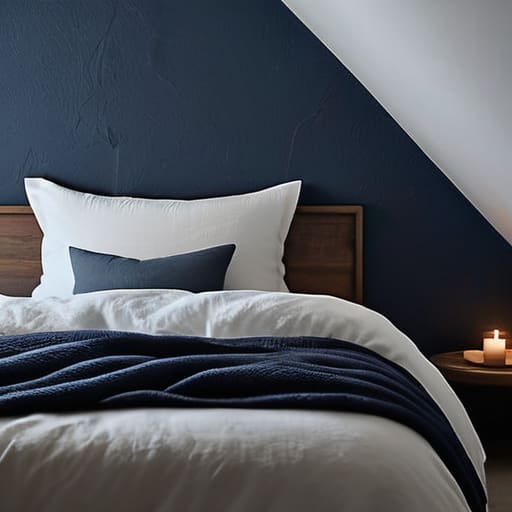
Look, you don’t need a $500 “smart mattress” or a subscription to a meditation app to fix your bedroom. Most of that gear is just expensive noise. If you want to focus on optimizing sleep environment for actual results, start with the basics: temperature and light. I’ve found that keeping the room slightly cooler than the rest of the house—think a steady 65 to 68 degrees—is the most effective way to signal to your body that it’s time to shut down.
The real killer, though, is the glow from your phone or even that obnoxious LED on your power strip. We talk a lot about the effects of blue light on sleep, but it’s more than just a buzzword; it’s a direct disruption to your internal clock. If you want to support melatonin production naturally, you need to treat your bedroom like a darkroom. Invest in some decent blackout curtains and ditch the screens an hour before you hit the pillow. It’s not glamorous, but it’s the kind of fundamental maintenance that actually works.
Circadian Rhythm Regulation for a Functional Life
Most people treat sleep like a light switch—they think they can just flip it off at 11 PM and expect to be functional by 6 AM. It doesn’t work like that. Your body operates on a biological clock that requires consistency, not just a dark room. If you want to master circadian rhythm regulation, you have to stop fighting your biology and start working with it. This means getting sunlight in your eyes shortly after waking up and keeping your wake-up time relatively stable, even on weekends.
The real killer of a good night’s rest isn’t just stress; it’s the constant artificial stimulation we feed our brains. We’ve all seen the warnings about the effects of blue light on sleep, but it’s more than just a screen issue—it’s about the signal you’re sending your brain. If you’re staring at a bright monitor right until you hit the pillow, you’re effectively telling your system to stay in high gear, which tanks your ability to melatonin production naturally. Dim the lights an hour before bed. It’s a simple, low-tech fix that actually delivers results.
The Low-Tech Essentials for a Better Night
- Stop treating your phone like a bedtime ritual. I know, it’s the easiest way to kill time, but that blue light is a signal to your brain that it’s noon, not midnight. If you can’t ditch the screen entirely, buy a cheap analog alarm clock and leave the phone in another room. It removes the temptation to scroll and stops the midnight notifications from breaking your rhythm.
- Audit your caffeine intake with some actual discipline. Most people don’t realize that caffeine has a half-life that can stretch well into the evening. If you’re still sipping coffee at 3:00 PM, you’re effectively sabotaging your ability to hit deep sleep cycles later. Try a hard cutoff at noon; your nervous system will thank you.
- Get a handle on your temperature. You aren’t meant to sleep in a sauna. Your body temperature needs to drop to initiate sleep, so if your room is stuffy, you’re fighting an uphill battle. Open a window, use a fan, or invest in breathable cotton sheets. It’s a simple mechanical fix that makes a massive difference in how long you actually stay asleep.
The Bottom Line on Better Sleep
Stop chasing the latest $300 sleep tracking ring or specialized pillow; focus on the fundamentals of light exposure and room temperature first.
Consistency is your most reliable tool—sticking to a predictable wake-up time does more for your cognitive function than any supplement ever will.
Getting Your Systems Back in Alignment
At the end of the day, better sleep isn’t about buying a subscription to a meditation app or hunting for the most expensive weighted blanket on the market. It comes down to the fundamentals we’ve discussed: managing your light exposure, stabilizing your environment, and respecting your body’s internal clock. If you treat your sleep like a critical system maintenance window rather than an afterthought, the results will follow. You don’t need a high-tech overhaul; you just need to stop fighting against your own biology and start building a routine that actually supports the work you need to do tomorrow.
Building a functional life is a slow process of trial and error, much like restoring an old piece of hardware. Some nights will still be rough, and some gadgets won’t work the way the marketing promised. That’s fine. Don’t get distracted by the noise. Just focus on the small, repeatable adjustments that keep your engine running smoothly. Once you get the foundational mechanics right, everything else—your focus, your mood, and your energy—will start to fall into place. Now, put the phone down and go get some rest.