
I remember sitting on my floor at twenty-two, surrounded by a tangled mess of cheap polyester thread and a sewing machine that sounded like a tractor engine dying a slow death. I had followed a dozen “easy” tutorials, only to end up with a pile of scrap fabric that looked more like a crime scene than a garment. Most of the advice out there regarding sewing basics for beginners is buried under layers of unnecessary fluff, pushing expensive, multi-piece starter kits that you’ll never actually use. Truth is, you don’t need a high-tech studio to fix a hem or build something functional; you just need the right tools and a bit of patience.
I’m not here to sell you on a lifestyle or a hobbyist’s dream; I’m here to give you a blueprint that actually works. I’ve stripped away the fluff to bring you a practical guide to the essentials that matter, focusing on the durable gear and fundamental techniques that will help you solve real problems. We’re going to skip the trends and focus on building a skillset that stays fixed when your projects inevitably hit a snag.
The No Nonsense Sewing Notions and Supplies List
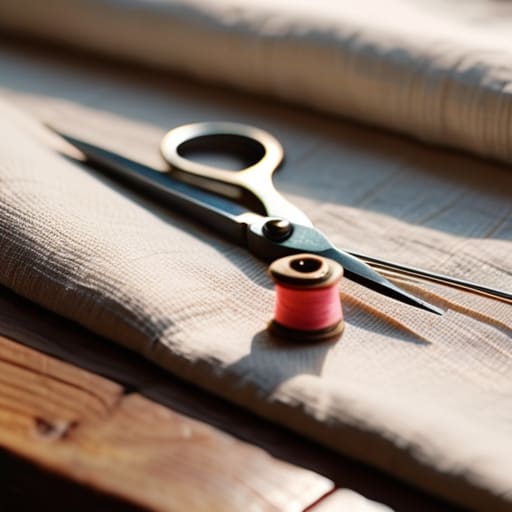
Look, you don’t need a massive craft room or a designer kit to get started. Most people blow their budget on flashy gadgets they’ll never touch, but if you want to actually finish a project, you need to focus on the fundamentals. My sewing notions and supplies list starts with the stuff that won’t fail you halfway through a seam. Grab a decent pair of fabric shears—and for heaven’s sake, don’t use them on paper—a clear ruler, a seam ripper (you will use this more than you think), and a handful of glass-head pins.
When it comes to the heavy lifting, don’t overcomplicate your first setup. You’ll need a reliable machine and a handful of essential sewing machine tools like extra bobbins and a variety of universal needles. I’ve seen too many people struggle because they tried to force a cheap needle through a heavy denim, or they skipped the step of learning how to thread a sewing machine properly. Get the right tools for the job, keep them organized, and you’ll spend less time troubleshooting and more time actually building something.
Essential Sewing Machine Tools That Actually Last
Look, you don’t need a computerized workstation that costs more than my first truck to get started. Most people get blinded by the bells and whistles, but if you want to actually finish a project, you need a machine that is reliable and easy to maintain. Start with a heavy-duty mechanical model if you can find one; they are built like tanks and handle different sewing fabric types for novices without throwing a tantrum. Avoid the ultra-cheap plastic models you find at big-box retailers—they’ll jam the moment you try to sew anything thicker than a handkerchief, and that’s a quick way to lose your momentum.
Once you have the machine, your focus should be on the mechanics of the operation. Learning how to thread a sewing machine correctly is probably the single most important skill you can develop. If you don’t get the tension right, you’re just making expensive scrap fabric. Keep a small bottle of high-quality sewing machine oil and a decent screwdriver handy. It’s not about having the most gadgets; it’s about having the right tools to keep the system running smoothly when things get complicated.
Three Rules to Keep You From Throwing Your Machine Out the Window
- Don’t fight the fabric. If you find yourself tugging, pulling, or forcing the material through the machine, stop. You’re likely either using the wrong needle type for that specific weave or your tension is dialed in wrong. A sewing machine should feel like a steady, rhythmic process, not a wrestling match. If it’s struggling, step back and troubleshoot the mechanics before you blame the project.
- Treat your seam allowance like a structural blueprint. In systems engineering, if your tolerances are off by a fraction, the whole assembly fails. Sewing is no different. If your pattern calls for a 5/8-inch seam, don’t “eyeball” it. Use a seam guide or a piece of masking tape on your machine to ensure every stitch is consistent. It’s much easier to sew straight from the start than it is to try and unpick a crooked line later.
- Slow down and embrace the “test swatch” method. I see people jump straight into a high-stakes project with expensive linen or silk, only to realize halfway through that their stitch length is too wide or their tension is causing puckering. Take a scrap of the exact same fabric you’re using and run a few test seams first. It takes two minutes, but it saves you two hours of frustration and a pile of wasted material.
The Bottom Line
Don’t get distracted by the massive, pre-packaged “beginner kits” at big-box stores; they’re usually full of cheap, flimsy tools that will frustrate you before you even finish your first seam.
Invest in the tactile essentials—good shears, a sharp seam ripper, and decent machine maintenance tools—because a functional setup is about having the right gear to fix mistakes, not just making them.
Getting to Work
Look, you don’t need a studio full of specialized gadgets to get started. We’ve covered the essentials: a reliable machine, a few sharp cutting tools, and the basic notions that actually keep a seam from unraveling. If you focus on building a kit of high-quality, durable gear rather than chasing every cheap plastic accessory on the market, you’re already ahead of most people. It’s about having the right tools for the job so that when you hit a snag, you aren’t fighting your equipment—you’re just solving the problem at hand.
Sewing is a lot like any other skill; it’s messy, it’s frustrating, and you’re going to make mistakes. You’ll probably rip out more seams than you’ll successfully finish in your first month. That’s fine. Don’t let the fear of a crooked stitch stop you from starting. Just keep your workspace organized, maintain your tools, and focus on the fundamentals. Once you master the basics, you won’t just be making clothes; you’ll be building something that actually lasts.