
I’ve spent enough time walking through big-box home aisles to know that most “decor” is just expensive clutter designed to look good in a filtered photo for ten seconds. We’ve all seen it: those flimsy, seasonal pieces that fall apart the moment you actually try to use them. When people come to me asking for diy home decor ideas, they’re usually looking for a way to make their space feel like home, but they end up drowning in disposable trends that add more noise than value.
I’m not interested in helping you decorate a showroom; I want to help you build a living space that actually works for you. In this post, I’m breaking down four specific projects that prioritize utility and longevity over mere aesthetics. We’re going to skip the glitter and the glue guns, focusing instead on four ways to upgrade your home with projects that are built to last long after the current design craze has moved on to something else.
Built-in Shelving from Scrap Lumber
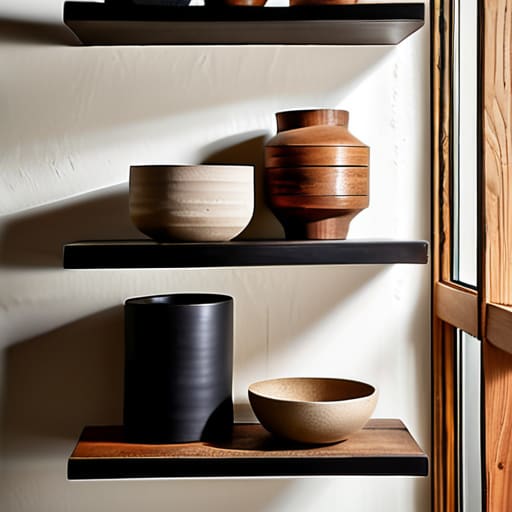
Most people look at a blank wall and think about hanging a generic, mass-produced picture frame, but I’d rather see some structural utility. If you have some leftover 2x10s or even some reclaimed wood from a previous project, you can build floating shelves that actually hold weight. Don’t bother with those flimsy little brackets you find at the big-box stores; invest in some heavy-duty steel supports that can handle a row of hardcover books or a heavy ceramic collection without bowing.
Industrial Pipe Lighting
If your lighting situation feels a bit lackluster, skip the cheap plastic lamps and look toward black iron piping. It’s a straightforward way to add a bit of character to a workspace or a kitchen nook without needing a degree in electrical engineering. You can pick up the components at any hardware store, and the assembly is basically just a series of logical connections. It gives you a modular way to direct light exactly where you need it, which is the whole point of a good fixture.
Repurposed Tool Bench Organizers
We often think of “decor” as something strictly for the living room, but I think your workspace deserves some aesthetic respect too. Instead of letting your small parts and tools clutter up every flat surface, use old wooden crates or even vintage metal tins to create a systematic display. It turns your gear into a visual element of the room while simultaneously clearing the mental fog that comes with a messy workbench.
Heavy-Duty Textile Wall Hangings
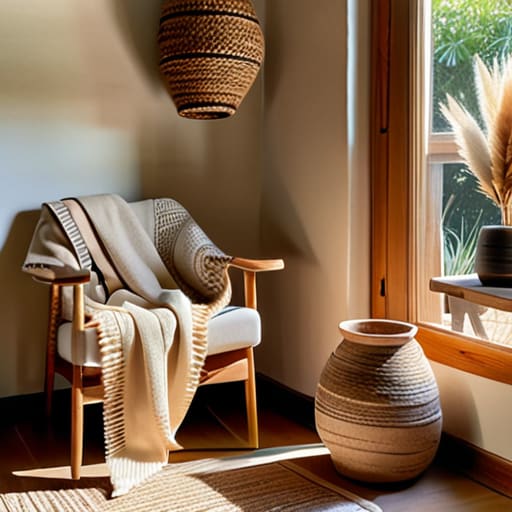
Blank walls can make a room feel cold and echoey, but I’m not talking about those thin, printed tapestries that look like they’ll tear if you sneeze on them. If you want to add texture to a space, look into using heavyweight canvas or wool. You can frame a piece of thick, natural fabric using simple wooden dowels to create a focal point that actually absorbs sound and adds a sense of substance to the room.
The Bottom Line
Stop buying things just because they look good on a mood board; if a piece of decor doesn’t serve a purpose or improve the flow of your room, it’s just more clutter to manage.
Invest your time in projects that prioritize durability and utility, because a well-built shelf you actually use beats a trendy centerpiece you’ll be replacing in six months.
Building for the Long Haul
At the end of the day, these projects aren’t about chasing a specific look you saw on a social media feed. Whether you’re building custom shelving to clear the clutter or repurposing old wood for a coffee table, the goal is the same: utility over aesthetics. If a piece of decor doesn’t serve a purpose or improve the way your home actually functions, it’s just more noise taking up space. Focus on the structural integrity and the practical application of what you’re making.
Don’t get discouraged if your first attempt isn’t showroom quality. I’ve spent more hours than I’d like to admit troubleshooting a wonky circuit board or a crooked shelf, but that’s just part of the process. The real value isn’t in the finished product itself, but in the fact that you built it to last. Stop worrying about perfection and start focusing on durability. Once you stop chasing trends and start building things that actually work, you’ll find that your home becomes a lot more stable.