
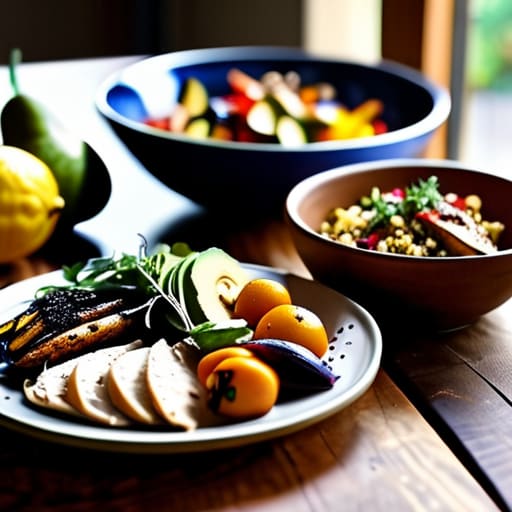
I spent years watching people treat their diets like a high-stakes engineering project, chasing every new “superfood” or fad-diet miracle that hits the internet. But after two decades of optimizing workflows and fixing broken systems, I’ve learned that most of that noise is just a distraction. When you’re tired after a long day, you don’t need a complicated recipe or a list of expensive, hard-to-find ingredients; you just need healthy dinner ideas that actually work within the constraints of a real, busy life.
I’m not here to sell you on a lifestyle overhaul or a three-hour meal prep ritual. Instead, I’ve narrowed it down to four reliable, high-utility approaches that prioritize efficiency and nutrition without the unnecessary fluff. I’m going to show you how to build a rotation of meals that are easy to execute, easy on your wallet, and—most importantly—actually keep you fueled for whatever the next day throws at you.
The Sheet Pan Strategy
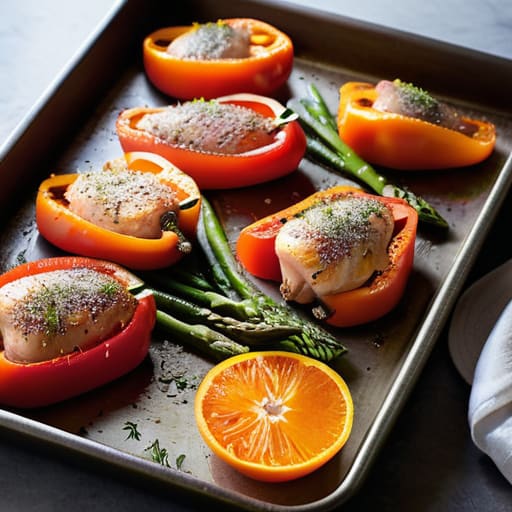
I’ve always believed that if a process is too complicated, it’s going to fail the moment you have a bad day at work. The same applies to cooking. Instead of juggling four different pans on a stove, just grab a heavy-duty baking sheet, toss some chicken thighs or salmon fillets with chopped seasonal vegetables, and hit it with olive oil and salt. It’s a systematic approach to dinner that minimizes the cleanup and maximizes the flavor.
High-Protein Grain Bowls
Most “wellness” influencers will try to sell you some expensive, dehydrated kale powder, but you don’t need that nonsense. If you want sustained energy that doesn’t crash an hour after you eat, you need a solid foundation of complex carbohydrates and protein. I keep a container of cooked quinoa or farro in the fridge at all times; it’s basically a modular base that you can build on whenever you need a quick meal.
The One-Pot Stew Method
There is a certain reliability to a slow-simmered stew that modern “quick-fix” meals just can’t touch. Whether you’re using a Dutch oven or a slow cooker, the goal here is to let heat and time do the heavy lifting for you. Throwing lentils, root vegetables, and some lean beef or turkey into a pot with a decent broth is a low-maintenance investment in your evening.
Elevated Breakfast for Dinner
Sometimes, the most pragmatic solution is to lean into what you already know works. If you’re staring at an empty pantry and the thought of a complex recipe feels like a chore, just make eggs. A three-egg omelet loaded with spinach and some avocado isn’t “cheating”—it’s a functional choice that hits your protein requirements without the fluff.
The Bottom Line
Stop chasing “superfoods” and start focusing on reliable, high-protein staples that actually keep you full.
A good dinner isn’t about perfection; it’s about a repeatable system that gets food on the table without turning your kitchen into a disaster zone.
Cutting Through the Kitchen Noise
At the end of the day, eating well shouldn’t feel like a second job or a complex engineering problem. We looked at a few solid options—from high-protein staples to quick, one-pan meals—that prioritize actual nutrition over aesthetic plating. You don’t need a pantry full of expensive, unlabeled powders or a kitchen staffed by professionals to get this right. The goal here was simple: find a few reliable systems that keep you fueled without turning your evening into a chaotic mess of prep work and cleanup.
My advice is to pick one of these methods and run it until it becomes muscle memory. Don’t try to overhaul your entire lifestyle overnight; that’s a recipe for burnout and a lot of wasted groceries. Just focus on building a few sustainable habits that work with your schedule, not against it. Once you have a baseline of meals that actually function for your life, the rest of the noise doesn’t matter nearly as much. Get your food on the table, keep it simple, and get back to living.