

I’m tired of seeing these “budget meal prep” videos where people spend eighty dollars on organic dragon fruit and artisanal sourdough just to claim they’re saving money. It’s a joke. If you’re looking for a way to learn how to cook on a budget without turning your kitchen into a high-end boutique, you’re in the wrong place. I spent years in corporate environments where “efficiency” was just a buzzword, but when I started managing my own household and tackling home renos, I learned that true efficiency is about resource management, not chasing aesthetic trends that leave your bank account empty.
I’m not here to give you a list of “life hacks” that require a specialized gadget for every step. Instead, I’m going to show you how to build a functional kitchen system using reliable staples and basic techniques that actually work. We’re going to focus on the mechanics of meal planning and ingredient utility—the kind of stuff that stays fixed when the grocery prices spike and the hype dies down. Let’s get to work.
Mastering Meal Planning for Savings and Efficiency
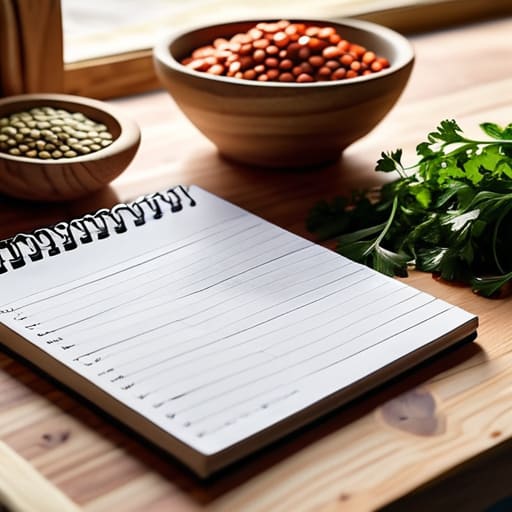
Most people treat meal planning like it’s some high-concept lifestyle ritual, but I look at it as a simple logistics problem. If you go into a grocery store without a blueprint, you’re essentially inviting chaos into your kitchen and your bank account. To get this right, you need to stop shopping for “ideas” and start shopping for components. I find that the most efficient way to handle meal planning for savings is to build your weekly menu around what you already have in the back of the cupboard. It’s about looking at that half-bag of lentils or that jar of marinara and building a plan that utilizes them before they expire.
Once you have your list, the goal is to minimize decision fatigue. I’m a big proponent of bulk cooking tips that actually scale; don’t just cook a meal, cook a base. If you’re roasting a tray of vegetables or simmering a large pot of grains, do it in quantities that allow you to pivot later in the week. This isn’t about eating the exact same bland meal five days in a row—it’s about having the raw materials ready so you aren’t tempted to order takeout when you’re tired. Efficiency is the ultimate hedge against impulse spending.
Building a Foundation With Essential Pantry Staple Recipes
Once you’ve got your schedule mapped out, you need to stop thinking about individual meals and start thinking about your inventory. I’ve learned through years of managing complex systems—and a very tight kitchen budget—that the most efficient way to eat is to build around a core set of reliable, versatile ingredients. I’m talking about the heavy lifters: dried lentils, rice, oats, canned beans, and olive oil. These aren’t just fillers; they are the structural components of a functional kitchen. When you focus on pantry staple recipes like a hearty lentil stew or a basic grain bowl, you aren’t just saving money; you’re reducing the mental load of deciding what to eat every single night.
The real trick to making this work is versatility. A single bag of jasmine rice can be the base for a stir-fry on Tuesday and a Mediterranean side dish on Thursday. By leaning on these foundational items, you’re naturally reducing food waste because you aren’t buying specialized, single-use ingredients that end up rotting in the back of the crisper drawer. It’s about creating a system where the components work together, ensuring that every dollar spent on groceries actually translates into a finished, edible meal.
Trim the Fat: Three Tactics for a More Efficient Kitchen
- Stop buying pre-cut or pre-packaged nonsense. You’re paying a massive premium for someone else to do five minutes of knife work. Buy the whole head of cabbage, the block of cheese, and the large bag of carrots. It takes a little more time on a Sunday afternoon, but it keeps your margins healthy and your food fresher.
- Optimize your protein intake by looking toward the middle aisles. Meat is usually the biggest line item on a grocery receipt, so treat it as a component rather than the centerpiece. Lentils, beans, and eggs are reliable, high-utility tools that do the heavy lifting without breaking the bank.
- Audit your waste like you’d audit a broken workflow. If you’re tossing out half a bag of wilted spinach or a container of sour cream every week, you’re essentially throwing cash in the trash. Buy smaller quantities of perishables or learn to use them in a soup or a stir-fry before they expire. Efficiency isn’t just about what you buy; it’s about what you actually use.
The Bottom Line for a Leaner Kitchen
Stop treating grocery shopping like a scavenger hunt for new ingredients; stick to a repeatable rotation of high-utility staples that keep your overhead low and your decision fatigue even lower.
View your kitchen like any other system—efficiency comes from minimizing waste and maximizing the output of your existing inventory rather than constantly chasing the next “must-have” specialty item.
Getting the System Running
At the end of the day, cooking on a budget isn’t about deprivation or following some complicated culinary trend; it’s about systems and stability. We’ve looked at how a disciplined meal plan prevents waste and how a well-stocked pantry acts as your primary defense against impulse buys. When you stop treating your kitchen like a retail outlet and start treating it like a functional workspace, the math starts to work in your favor. You aren’t just saving pennies on groceries; you’re reclaiming the mental bandwidth that usually gets eaten up by the “what’s for dinner” panic every single evening.
Don’t feel like you have to overhaul your entire lifestyle by Monday morning. Start small—pick one staple to master or commit to one week of planned meals—and build from there. The goal isn’t perfection; it’s about creating a reliable framework that survives the chaos of a busy week. Once you have the fundamentals dialed in, you’ll find that a well-run kitchen provides a level of quiet confidence that carries over into every other part of your life. Get to work.