

I spent three hours last weekend trying to troubleshoot a “smart” light fixture that decided it didn’t want to talk to my Wi-Fi, all because I let a flashy YouTube review convince me it was a must-have. It was a perfect example of why most people struggle with how to choose tech for your home; we get blinded by the bells and whistles and forget that a device is only useful if it actually works when you need it to. Most of the industry is designed to sell you a subscription or a shiny new toy, not a solution to a real-world problem.
I’m not here to give you a list of the most expensive gadgets on the market or tell you that you need a voice-activated everything to live a modern life. My goal is to help you cut through the marketing noise and focus on functional reliability. I’m going to show you how to evaluate hardware based on its longevity, its ease of use, and whether it actually improves your daily routine or just adds another layer of digital clutter to your life.
Mastering Smart Home Ecosystem Compatibility
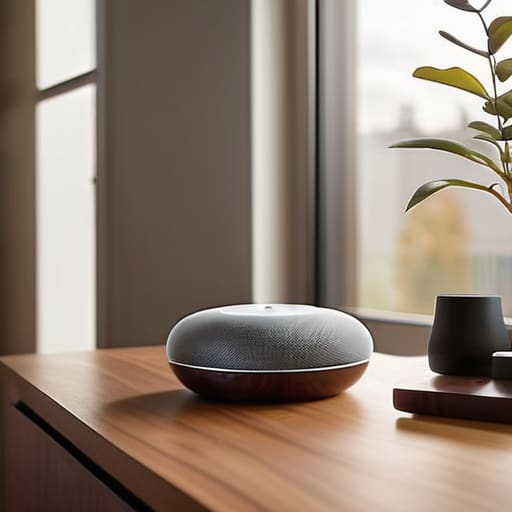
Here is the reality of most people’s setups: they buy a smart bulb here, a security camera there, and suddenly they’ve built a digital Tower of Babel. Everything looks good on the box, but nothing talks to each other. When you’re integrating smart devices, you have to look past the individual features and ask if they play well together. I always tell my clients to pick a “language” first—whether that’s Matter, Thread, or a specific ecosystem like Apple or Google—and stick to it. If your devices can’t communicate through a single interface, you haven’t built a smart home; you’ve just bought a collection of expensive remote controls.
Don’t let a shiny demo fool you into ignoring the plumbing. A seamless experience relies heavily on future-proofing home technology by ensuring your backbone—your router and network stability—can handle the load. I’ve seen plenty of high-end automation fail simply because the user tried to cram fifty devices onto a standard ISP-provided router. Before you start adding more layers, make sure your foundation is solid enough to support the growth. It’s much easier to build a system that scales than it is to rip everything out and start over when the next update breaks your workflow.
Future Proofing Home Technology Over Flashy Gadgets
I’ve seen enough “revolutionary” gadgets end up in junk drawers to know that a shiny interface doesn’t mean a product has staying power. When you’re looking at future-proofing home technology, you have to look past the marketing fluff and ask one simple question: Does this device use an open standard? If a company locks you into a proprietary walled garden that requires their specific hub just to turn on a lightbulb, walk away. You want hardware that plays well with others, ensuring that when the manufacturer inevitably pivots or goes bust, your house doesn’t suddenly stop working.
Instead of chasing every new release, I recommend prioritizing home automation budget planning that favors quality over quantity. It’s better to invest in a single, rock-solid smart thermostat or a high-end mesh router than to clutter your space with a dozen cheap, disconnected sensors. Focus on building a foundation of reliable, interoperable devices that serve a purpose. If a gadget doesn’t solve a recurring friction point in your daily routine, it’s just more noise you don’t need.
The Three-Step Filter Before You Hit "Buy"
- Audit your friction points first. Before you look at a single product page, walk through your house and identify where things actually break down or slow you down. If you’re buying a smart lighting system just because it looks cool on a tech blog, but your main issue is actually a poorly laid out kitchen workflow, you’re wasting money. Buy the solution to a headache, not a solution to a boredom problem.
- Prioritize local control over cloud dependency. I’ve seen too many “smart” devices turn into expensive paperweights the moment a company changes its subscription model or shuts down its servers. Look for tech that works on your local network and doesn’t require a constant handshake with a server in another country just to turn on a lamp. If it can’t function offline, it’s a liability, not an asset.
- Respect the “Single-Purpose” rule. There is a massive temptation to buy the all-in-one gadget that promises to manage your security, your music, and your thermostat. In my experience, those are usually jacks-of-all-trades and masters of none. I’d rather have three dedicated, well-built devices that do one thing perfectly than one bloated hub that fails at everything the moment its software glitches.
The Bottom Line
Prioritize interoperability over brand loyalty; if a device doesn’t play nice with the systems you already own, it’s just more digital clutter.
Buy for utility, not novelty—if a piece of tech doesn’t solve a specific friction point in your daily routine, leave it on the shelf.
Building for the Long Haul
At the end of the day, choosing home tech isn’t about having the most impressive setup on your block; it’s about intentionality. We’ve talked about the importance of sticking to ecosystems that actually talk to one another and why you should prioritize durability over novelty. If a device doesn’t solve a specific friction point in your daily routine, it’s just more digital clutter waiting to happen. Focus on the infrastructure—the reliable connectivity and the interoperable standards—rather than the shiny interface that will feel dated in eighteen months.
My advice? Take a breath and step back from the marketing hype. A well-run home shouldn’t feel like a science experiment; it should feel like a place where you can actually relax and function. Build your tech stack slowly, one piece at a time, and always ask yourself if it adds value or just adds noise. If you focus on utility and stability, you won’t find yourself constantly chasing the next upgrade cycle. Build something that works, and then let it work.