
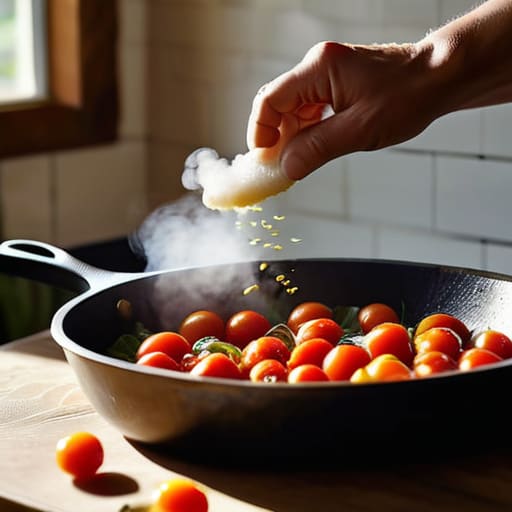
I remember standing in my kitchen after a grueling ten-hour day of consulting, staring at a half-empty jar of sundried tomatoes and a limp bunch of kale, feeling completely paralyzed because I didn’t have a digital guide telling me exactly how many grams of olive oil to pour. We’ve been conditioned to believe that unless we’re following a precise, step-by-step blueprint, we’re somehow destined for a culinary disaster. But that’s a lie designed to sell more cookbooks and keep you stuck in a loop of decision fatigue. Learning how to cook without a recipe isn’t about being a gourmet chef; it’s about understanding the basic mechanics of flavor so you can stop being a slave to a screen.
I’m not here to give you some flowery, “trust your soul” nonsense that leaves you hungry and frustrated. Instead, I want to show you the functional logic behind seasoning, heat, and acidity. We’re going to strip away the fluff and focus on the core principles that allow you to look at whatever is sitting in your pantry and turn it into a meal that actually works. Let’s focus on the systems that stay fixed when the instructions run out.
Mastering Essential Cooking Ratios for Reliable Results
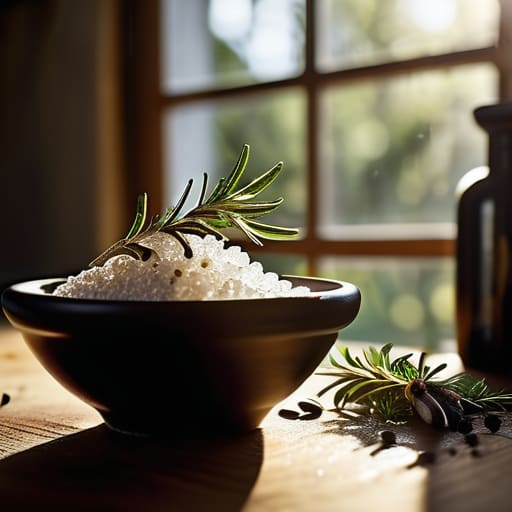
If you want to stop being a slave to a printed page, you have to stop thinking in measurements and start thinking in proportions. In my engineering days, we relied on ratios to ensure a system wouldn’t fail under pressure; cooking is no different. Instead of memorizing a specific recipe for a vinaigrette or a pan sauce, learn the essential cooking ratios. For instance, a standard dressing is usually three parts oil to one part acid. Once you internalize that baseline, you aren’t just following a script—you’re managing a system.
This approach turns pantry staple cooking from a guessing game into a predictable process. If a sauce feels too heavy, you don’t need a new recipe; you just need to adjust the ratio by adding a splash of vinegar or lemon juice to cut through the fat. It’s about understanding seasoning balance through the lens of structure rather than luck. When you master these basic mathematical relationships, you gain the freedom to improvise without the fear of ruining dinner.
Building Kitchen Improvisation Skills Through Flavor Profiling Techniques
Once you’ve got the ratios down, you need to stop thinking in measurements and start thinking in sensations. This is where true kitchen improvisation skills come into play. Instead of reaching for a measuring spoon, I want you to start cooking by smell and taste. It’s a bit like tuning an old analog synth; you aren’t looking for a perfect digital readout, you’re listening for the harmony. If a sauce feels heavy or dull, it likely needs acid—a squeeze of lemon or a splash of vinegar—to brighten the profile. If it’s too sharp, a touch of fat or sweetness will round out those jagged edges.
Developing these flavor profiling techniques is really just about understanding the tension between salt, fat, acid, and heat. I spent years following strict manuals, but I learned more in six months of trial and error than I did in a decade of reading cookbooks. Start small with your pantry staple cooking. Take a basic bean soup or a simple pan of roasted vegetables and experiment. Add a pinch of cumin here, a dash of hot sauce there, and actually taste the difference each time. You aren’t just making dinner; you’re calibrating your internal compass.
Three Rules for When the Cookbook Fails You
- Manage your heat like you manage a project: start low and slow. Most people ruin a meal by trying to rush the process with high heat, thinking they can make up for lost time. If you don’t have a precise temperature guide, err on the side of patience. It’s much easier to bring a dish up to temperature than it is to fix something you’ve already scorched.
- Taste as you build, not just at the end. I see people treat seasoning like a final inspection phase, but that’s a mistake. You need to sample the components as you go—the sauce, the broth, the protein. It’s about incremental adjustments. If you wait until the plate is in front of you to realize it’s bland, you’ve already lost the battle.
- Keep a “functional pantry” of high-impact basics. You don’t need fifty exotic spices gathering dust; you need a reliable set of tools. A decent olive oil, a high-quality salt, a sharp acid like lemon or vinegar, and a few versatile aromatics like garlic and onions. If you have those on hand, you can stabilize almost any dish that starts to veer off course.
The Bottom Line
Stop treating recipes like sacred texts and start treating them like blueprints; once you understand the underlying ratios of salt, fat, and acid, you can rebuild the meal from scratch using whatever is actually in your pantry.
Cooking is a system, not a series of magic tricks. If you focus on mastering the fundamental mechanics of flavor rather than memorizing individual instructions, you’ll stop being a slave to the cookbook and start actually running your kitchen.
Getting Your Hands Dirty
At the end of the day, cooking without a recipe isn’t about being a culinary genius; it’s about understanding the mechanics of flavor. Once you stop obsessing over exact measurements and start focusing on ratios and the balance between salt, fat, and acid, the kitchen stops being a place of stress and starts being a workshop. You don’t need a manual to tell you how to fix a dish that’s too heavy or too bland—you just need to trust the systems you’ve built through trial and error.
Don’t be afraid to mess up a meal. In my line of work, a failed prototype is just data you use to build a better version next time. The same applies to your dinner. If a dish doesn’t turn out quite right, analyze why, adjust your approach, and try again tomorrow. The goal isn’t perfection; it’s functional independence. Once you stop looking for permission from a cookbook, you’ll realize you already had everything you needed to succeed. Now, get in there and start cooking.