
I’ve spent enough time in corporate boardrooms and home workshops to know that most “life hacks” are just more noise designed to waste your time. We’ve all been there: you come home after a twelve-hour day, the kitchen is a mess, and the last thing you want to do is stand over a stove performing culinary gymnastics. That’s where most people give up and settle for overpriced takeout, which is a massive drain on your budget and your health. I’ve realized that the secret to a functional home isn’t about cooking more; it’s about implementing better systems, specifically through easy slow cooker recipes that do the heavy lifting while you focus on what actually matters.
In this post, I’m stripping away the fluff and giving you four specific, high-utility meal setups that prioritize efficiency over ego. These aren’t those complicated, ingredient-heavy disasters you see on social media; these are reliable, low-maintenance systems designed to feed you well without requiring a degree in chemistry. By the time you finish reading, you’ll have a blueprint for a kitchen that runs as smoothly as a well-oiled machine, even on your most chaotic days.
The No-Fuss Beef Stew

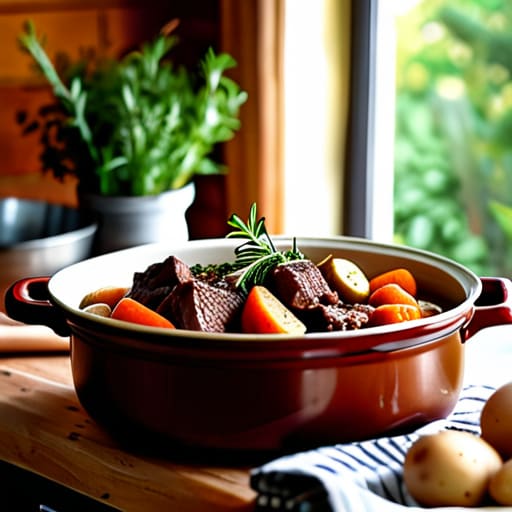
Most people approach stew like it’s some delicate culinary experiment, but if you treat it like a simple assembly task, you can’t really mess it up. Get yourself some decent chuck roast—don’t bother with the cheap scraps that turn into mush—and toss it in with some thick-cut carrots, potatoes, and an onion. I usually throw in a splash of beef stock and a bit of Worcestershire sauce just to ensure there’s enough structural integrity in the flavor profile.
Pulled Pork for Batch Processing
If you want to optimize your week, a pork shoulder in the slow cooker is the ultimate efficiency hack. I like to rub the meat down with a basic mix of salt, pepper, and smoked paprika before dropping it in. You don’t need a pantry full of exotic spices; you just need enough seasoning to ensure the flavor penetrates the fat as it renders down over several hours.
Red Lentil Dahl
Sometimes you don’t want something heavy, but you still need a meal that actually sustains you. Red lentils are a fantastic tool for this because they don’t require pre-soaking like other legumes; they just absorb moisture and soften into a consistent texture. Throw them in with some vegetable broth, a can of coconut milk, and a heavy hand of turmeric and cumin. It’s a low-maintenance system that yields a high-quality result every single time.
Classic Chicken and Dumplings
This is the kind of meal you want in your rotation for when the weather turns or the stress levels spike. You start with chicken thighs—bone-in is better for the flavor, but skinless works if you’re looking to minimize cleanup—and a bag of frozen mirepoix (onions, carrots, celery). It’s a standard, proven formula that relies on the slow cooker to marry the flavors together without any constant supervision.
The Bottom Line
Stop looking for culinary perfection; a slow cooker is a tool for consistency, not a way to win a cooking competition.
Focus on high-quality, low-maintenance ingredients that let the machine do the heavy lifting while you focus on more important things.
The Bottom Line
At the end of the day, these recipes aren’t about culinary artistry or chasing some Instagrammable food trend. They are about systematizing your kitchen so you aren’t staring at an empty fridge at 6:00 PM when you’re already exhausted. Whether you’re leaning on a hearty beef stew or a simple chicken thigh prep, the goal is the same: minimal input for a reliable output. Use the slow cooker as the tool it is—a way to automate a fundamental part of your daily operations so you can focus your energy elsewhere.
Don’t get caught up in the complexity of it all. You don’t need a pantry full of exotic spices to make this work; you just need a few staples and the willingness to let the machine do the heavy lifting. Life is chaotic enough as it is, so why make dinner another problem you have to solve manually? Build these habits now, and you’ll find that consistency beats intensity every single time. Keep it simple, keep it functional, and let the tools do their job.