
Look, I see these Pinterest boards every day, and frankly, most of them are a waste of good lumber. People see a stack of discarded shipping pallets and immediately think they’re going to build some delicate, decorative flower planter that’ll rot out in six months. That’s not how I approach things. If you’re going to spend your Saturday afternoon hauling heavy wood and fighting with a pry bar, you should be looking for pallet project ideas that actually serve a purpose in your life. I’m not interested in clutter; I’m interested in utility.
In this post, I’ve narrowed it down to four specific builds that move past the fluff. We aren’t making lawn ornaments here; we’re talking about structural additions that can handle some real-world wear and tear. I’m going to show you how to transform those scrap boards into functional assets for your garage, your garden, or your home workspace. Let’s skip the trends and focus on building things that actually last.
Heavy-Duty Garden Planters
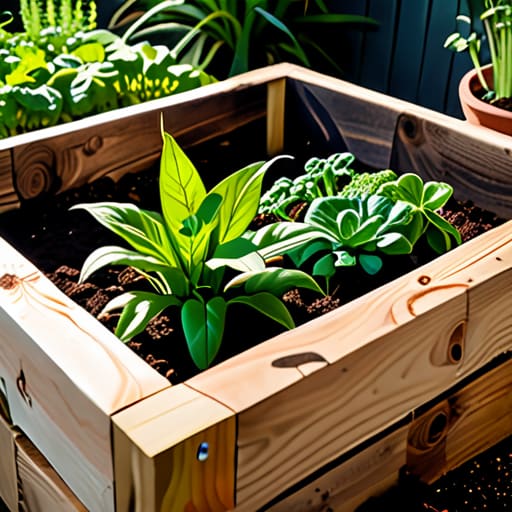
Most people see a pallet and think about making a decorative flower box that’ll rot out in two seasons. That’s a waste of good timber. If you’re going to pull a pallet apart, do it to build deep-root planters for your vegetable garden. You want something with enough structural integrity to hold heavy, wet soil without bowing under the pressure.
The Workshop Tool Organizer
A cluttered workbench is a symptom of a disorganized mind, and in my experience, it’s the fastest way to lose your momentum. Instead of buying those flimsy plastic organizers from the big-box stores, use pallet wood to construct a custom French cleat system or a heavy-duty slat wall. It’s about creating a dedicated home for every wrench, driver, and measuring tape you own.
Modular Vertical Herb Rack
If you live in a space where floor real estate is at a premium, stop trying to cram pots onto every available surface. A vertical rack made from pallet frames allows you to stack your herbs upward rather than outward. This is a systems engineering approach to small-scale gardening—maximizing your output while minimizing your footprint.
Rugged Outdoor Bench Seating
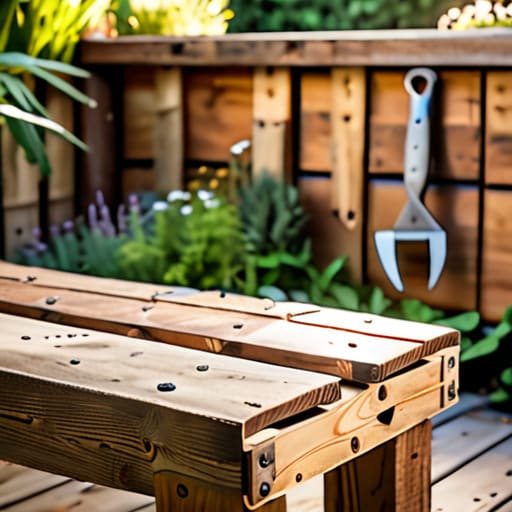
Most DIY outdoor furniture is built with a “close enough” mentality that leads to splinters and wobbling within a month. If you’re using pallets for seating, treat it like a structural project. You need to deconstruct the pallets and select the thickest, most intact boards to create a bench that can actually support a person’s weight without a fight.
The Bottom Line on Pallet Builds
Stop looking for “decor” and start looking for utility; if a project doesn’t solve a storage problem or fix a workflow issue, it’s just more clutter waiting to happen.
Prioritize structural integrity over the “rustic look” by investing time in proper sanding and heavy-duty fasteners so your build doesn’t fall apart the first time you put weight on it.
Stop Collecting, Start Building
At the end of the day, these pallet projects aren’t about chasing some Pinterest-perfect farmhouse aesthetic that will look dated by next season. Whether you’re setting up a heavy-duty tool rack, building a modular garden planter, or organizing your workshop with a custom workbench, the goal is functional utility. If a project doesn’t solve a specific problem in your space or make your daily workflow a little smoother, it’s just more clutter waiting to happen. Stick to the builds that actually serve a purpose and prioritize structural integrity over how many coats of distressed paint you can slap on them.
Don’t let the fear of a wasted afternoon stop you from picking up a crowbar and getting to work. There is a specific kind of satisfaction that comes from taking something discarded and turning it into a reliable piece of your environment. You don’t need a massive budget or a professional-grade shop to make progress; you just need a clear plan and the right tools. Focus on building things that last, and eventually, you’ll realize that the most valuable thing you’ve constructed isn’t the wood itself, but the discipline of doing it right.