
I walked into a big-box furniture store last week and honestly, it felt like walking into a graveyard of particle board and glue. Everything is designed to look good for six months and then fall apart the moment you try to move it. We’ve been conditioned to think that “new” means “better,” but most of the stuff on those showroom floors is just expensive landfill waiting to happen. If you’re tired of the cycle of buying junk only to replace it two years later, you need to start looking at upcycling furniture ideas that prioritize structural integrity over temporary aesthetics.
I’m not here to show you how to slap some trendy pastel paint on a cheap nightstand and call it a masterpiece. Instead, I’ve narrowed this down to four specific projects that focus on restoring actual utility to pieces that were built to last. I’m going to show you how to identify high-quality bones in old furniture and transform them into functional assets for your home. Let’s get to work on building something that actually stays fixed.
Reclaim the Solid Wood Bones
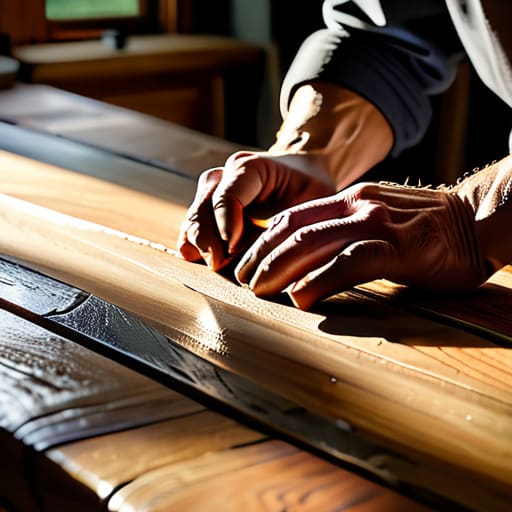
Most of the “distressed” furniture you see in big-box stores is just particle board held together by hope and cheap veneer. If you find an old dining table or a dresser at a yard sale that has a solid wood frame, you’ve hit the jackpot. Don’t bother with fancy staining techniques or complex color trends; your goal is to strip the old, cracked finish down to the grain and apply a high-quality sealant that actually protects the surface.
Repurpose Old Crates into Modular Storage
I’m a big believer in systems, and modularity is the key to a space that doesn’t feel cluttered. If you can find some old wooden wine crates or sturdy shipping crates, don’t just stack them in a corner and call it “decor.” Sand the rough edges down so you don’t catch your skin on a splinter, and consider adding some simple casters to the bottom. This turns a static object into a mobile storage solution that can move with you as your needs change.
Hardware Upgrades for Instant Utility
Sometimes the “upcycling” isn’t about a total overhaul, but about fixing what’s broken or outdated. I’ve seen plenty of perfectly good mid-century cabinets sitting on the curb simply because the handles were ugly or the drawer slides were sticking. Before you decide a piece is junk, grab your multi-tool and check the mechanics. A little bit of wax on the tracks or a few tightened screws can do more for a piece of furniture than a fresh coat of paint ever will.
Convert Old Ladders into Functional Shelving
You’ll see a lot of people using old wooden ladders as “rustic accents” in their living rooms, but that’s a waste of good engineering. A ladder is a vertical structure designed to hold weight; use that to your advantage. By securing a sturdy old ladder against a wall and adding some reclaimed planks across the rungs, you create a shelving unit that has more character than anything you’ll find in a catalog.
The Bottom Line
Stop looking for “decor” and start looking for durability; if the bones of the piece aren’t solid, no amount of paint will make it worth your time.
Focus on utility over aesthetics—a refurbished chair that actually holds weight is worth ten times more than a trendy piece that falls apart in six months.
Build for Utility, Not Just Looks
At the end of the day, upcycling shouldn’t be about chasing a specific aesthetic you saw on a social media feed. Whether you’re reinforcing a wobbly chair, stripping old varnish off a tabletop, or repurposing a crate into a functional storage unit, the goal is the same: creating something that actually serves a purpose. Focus on the structural integrity first and the finish second. If you prioritize solid construction over superficial trends, you won’t find yourself throwing another piece of “reclaimed” junk into the landfill in six months when the novelty wears off.
Don’t let the fear of making a mistake stop you from picking up a sander or a screwdriver. Most of these projects are just basic problem-solving exercises wrapped in a bit of sawdust. You don’t need a professional workshop to make a meaningful dent in your home’s functionality; you just need a decent set of tools and a bit of patience. Stop waiting for the perfect piece to arrive in a box and start building a life that is defined by things that last.