

Most people treat “self-care” like it’s some luxury item you buy at a boutique—expensive candles, overpriced retreats, or those aesthetic morning routines you see on social media that look more exhausting than helpful. But if you’re like me, you know that when your systems are failing, a scented bath isn’t going to fix the underlying friction. We need to stop looking at self care ideas as temporary escapes and start viewing them as essential maintenance for your mental and physical hardware.
I’m not here to sell you on a lifestyle overhaul that requires a week off work to implement. Instead, I’ve narrowed down four practical, low-friction strategies designed to stabilize your baseline and keep you operational when things get chaotic. These aren’t trends; they are functional protocols that will help you manage your bandwidth and actually sustain your performance without burning out.
Audit Your Digital Friction
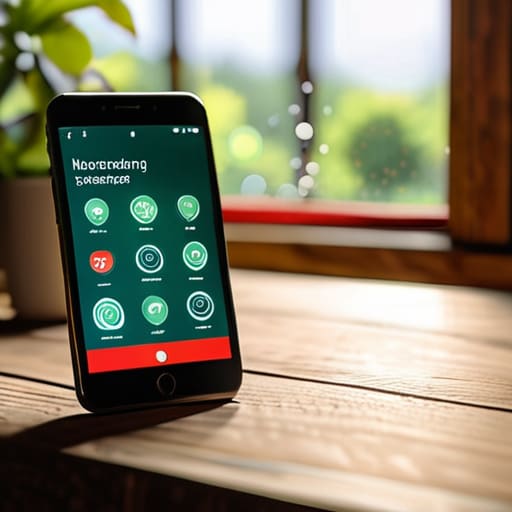
Most people treat self-care like it’s something you add to your schedule, like a yoga class or a meditation app. But if your phone is constantly buzzing with useless notifications and your inbox is a graveyard of unread junk, you’re fighting a losing battle against cognitive load. You can’t find peace if your primary tool for interacting with the world is constantly hijacking your attention.
Maintenance Over Makeovers
We’ve been sold this idea that self-care requires a massive, expensive overhaul—a weekend retreat or a complete lifestyle redesign. In my experience, that’s rarely sustainable. Real wellness is much closer to preventative maintenance on a piece of heavy machinery. It’s about the small, boring habits that keep the engine from seizing up in the first place.
Physical Environment Optimization
It’s hard to maintain mental clarity when you’re working in a space that feels like a disaster zone. I’ve spent enough time in cluttered workshops to know that physical chaos eventually bleeds into your mental state. If your desk is buried under old receipts and your kitchen counters are a mess, your brain is subconsciously processing that unresolved clutter every second you’re in the room.
Skill-Based Decompression
There is a specific kind of exhaustion that comes from staring at a screen all day, and no amount of scrolling through social media is going to fix it. To truly reset, you need to engage in something tactile and analog. For me, it’s tinkering with the circuitry of an old synthesizer; for you, it might be woodworking, cooking a complex meal, or even just gardening.
The Bottom Line
Stop looking for “wellness” in a box; start looking for the friction points in your schedule that are draining your battery before you even get started.
True self-care isn’t an indulgence, it’s maintenance—treat your mental bandwidth like a piece of precision machinery that requires regular, unscheduled downtime to stay functional.
Maintenance Over Magic
At the end of the day, self-care isn’t about adding more tasks to your to-do list or buying expensive gadgets that promise a quick fix. It’s about the systems we discussed: tightening up your physical environment, managing your digital noise, and ensuring your basic physiological needs aren’t being treated as optional extras. If you focus on reducing friction in your daily routine—whether that’s through better sleep hygiene or a cleaner workspace—you stop reacting to crises and start operating from a position of stability. It’s not glamorous, but it’s functional.
Don’t get caught up in the pursuit of a perfect, curated lifestyle. Life is messy, and systems will occasionally break down; that’s just part of the job description. The goal isn’t to reach a state of permanent zen, but to build a resilient foundation that allows you to recover when things inevitably go sideways. Pick one thing from this list, implement it, and see if it actually moves the needle. If it doesn’t work, scrap it and try something else. Just keep tuning the machine until it runs smooth.