
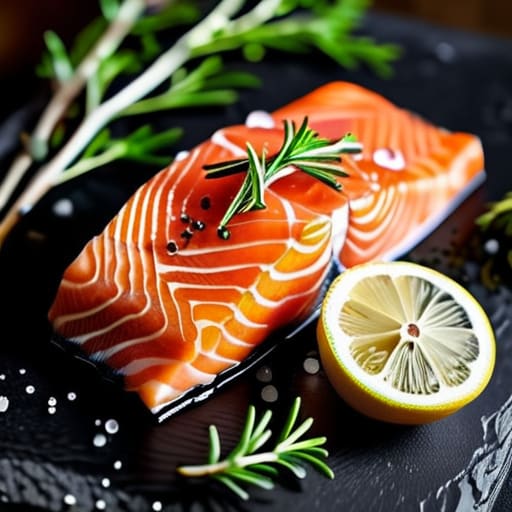
I spent years watching “gourmet” cooking shows convince people that you need a $300 sous-vide machine and a chemistry degree just to get dinner on the table. It’s exhausting. Most of that high-end gear is just expensive noise designed to make a simple task feel intimidating. If you’re looking for a masterclass on how to cook fish using liquid nitrogen or obscure French techniques that take three hours to prep, you’re in the wrong place. I’ve found that most people fail not because they lack fancy tools, but because they’ve been sold a version of cooking that is unnecessarily complicated.
I’m not here to sell you on a trend; I’m here to give you a system that actually works. I want to show you the reliable, low-maintenance methods that ensure you get a perfect sear every single time without turning your kitchen into a disaster zone. We’re going to focus on the fundamental mechanics—heat control, timing, and seasoning—so you can stop guessing and start eating well. Let’s strip away the fluff and get down to the practical reality of making great fish.
The Best Way to Season Fish for Consistent Flavor
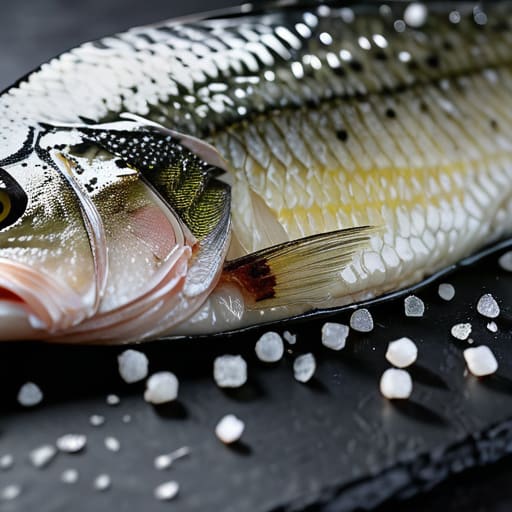
Look, you don’t need a spice cabinet full of exotic powders to make this work. In my experience, the best way to season fish is to keep it dead simple so you don’t mask the actual flavor of the protein. I usually stick to a heavy hand of kosher salt and some freshly cracked black pepper right before the fish hits the heat. If you’re working with something delicate like sea bass or tilapia, maybe a squeeze of lemon or a bit of dried thyme is enough. Don’t overthink it; you’re trying to enhance the meal, not hide the fish under a layer of dust.
One thing I’ve learned from years of tinkering with both engines and recipes is that timing is everything. If you salt your fillets too early and let them sit on the counter, you’ll end up drawing out moisture, which leads to a mushy texture. I prefer to pat the skin bone-dry with a paper towel first, then season immediately before it touches the oil. This helps with preventing fish from sticking to the pan and ensures you get that crisp, golden crust that makes the whole process worth the effort.
Mastering Pan Searing Techniques Without the Kitchen Chaos
Most people treat a pan sear like a high-stakes gamble, but it’s really just about heat management and patience. The biggest mistake I see is trying to flip the fillet too early. If you find yourself wrestling with the protein, stop. The fish is telling you it isn’t ready to let go of the surface yet. A key part of preventing fish from sticking to pan is simply waiting for that natural crust to form; once the proteins sear properly, the fish will release itself. Use a heavy-bottomed skillet—cast iron is my go-to—and get your oil shimmering before the fish even touches the metal.
Once you’ve got the sear down, don’t go flying blind with the timing. You don’t need a degree in culinary arts, but a simple digital thermometer is the most efficient tool in your kit. Instead of guessing based on how the flesh looks, aim for a specific internal temperature for cooked fish to ensure it stays moist rather than turning into dry, flaky sawdust. It’s about precision, not guesswork. Get the crust, monitor the core, and you’ll stop making dinner feel like a frantic repair job.
Three rules to keep your fish from falling apart
- Dry the skin like your life depends on it. I’ve seen too many people skip this step because they’re in a rush, but moisture is the enemy of a good sear. Grab a stack of paper towels and pat that fillet down until it’s bone-dry before it even touches the pan. If it’s damp, it’s going to steam instead of crisp, and you’ll end up with a texture that’s more mush than meal.
- Stop poking at it. I get it—you want to see if the bottom is done. But every time you lift that spatula to check, you risk breaking the delicate flesh or losing the heat buildup. Lay it in the pan, walk away, and let the physics of the heat do the work. If it’s not releasing easily from the pan when it’s ready, it’s not done yet. Just wait.
- Invest in a reliable instant-read thermometer. You can guess, but guessing is how you end up with a piece of salmon that’s either a brick or a pile of mush. A decent digital thermometer takes the guesswork out of the equation and ensures you hit that sweet spot every single time. It’s a simple tool that solves the one problem that actually matters: consistency.
The Bottom Line
Stop looking for a magic spice blend; salt, pepper, and a little heat are all you need if you respect the quality of the fish.
Control your temperature and your timing, and you’ll stop turning decent fillets into dry, overcooked messes.
Cutting Through the Kitchen Noise
At the end of the day, cooking a decent piece of fish isn’t about owning a set of professional-grade copper pans or following a recipe that requires twenty different spices. It comes down to the fundamentals: seasoning it properly so the flavor actually reaches the center, and managing your heat so you get that crisp skin without turning the flesh into something resembling dry rubber. If you can master a reliable pan sear and keep your seasoning simple, you’ve already won half the battle. Stop looking for the secret ingredient and just focus on the mechanics of the heat and the prep.
Cooking shouldn’t be another source of stress in an already chaotic week. It’s just another system to master, much like fixing a leaky faucet or tuning an old synth. Once you understand how the variables interact, the results become predictable and, more importantly, enjoyable. Don’t let the fear of a ruined dinner keep you from trying. Grab a fillet, turn on the stove, and trust the process. Once you get the basics down, you’ll realize that consistency is better than perfection every single time.