
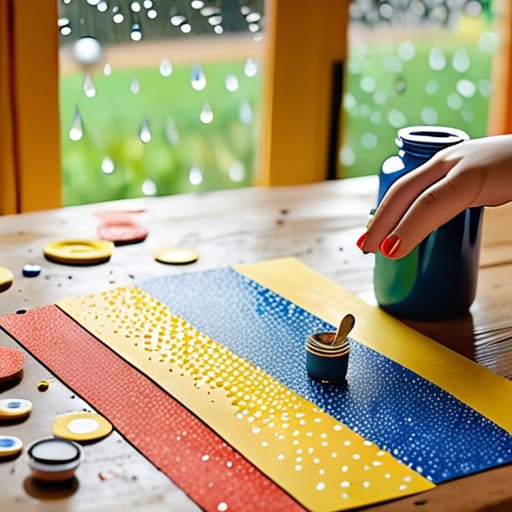
I’ve spent most of my career looking for ways to optimize systems, whether it’s a corporate workflow or a vintage synthesizer, but nothing tests a home’s operational efficiency quite like a rainy afternoon filled with “creative” energy. Most people approach kids craft ideas by buying every neon-colored, single-use gadget at the big-box store, only to end up with a living room covered in micro-plastics and a mountain of unnecessary waste. I’ve learned the hard way that if a project doesn’t have a functional purpose or a sense of durability, it’s just creating more work for you to clean up later.
In this post, I’m stripping away the fluff to give you four streamlined projects that actually hold a child’s interest without turning your house into a disaster zone. We’re going to focus on low-maintenance, high-engagement activities that utilize basic materials you likely already have in your junk drawer or garage. By the time we’re done, you’ll have a toolkit of reliable ways to keep them occupied that actually work once the initial hype dies down.
Cardboard Engineering Stations
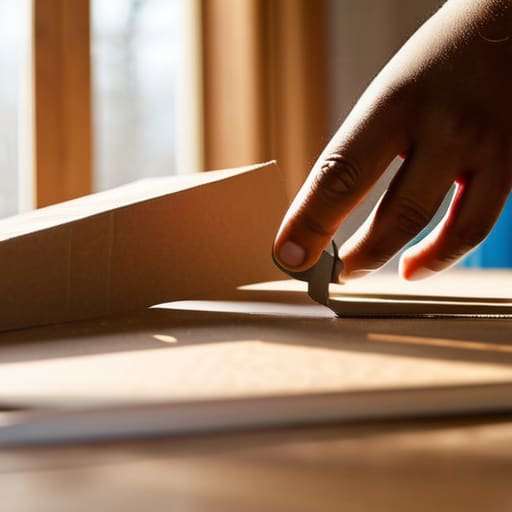
Most parents treat cardboard boxes like trash, but if you look at them through a systems lens, they are actually the most versatile raw material in your house. Instead of buying those flimsy plastic playhouses that break in a week, grab some heavy-duty shipping boxes and a roll of high-quality masking tape. I’ve found that giving a kid a stack of cardboard and a set of basic tools—like safety scissors and a ruler—turns a simple afternoon into a lesson in structural integrity.
Nature-Based Collection Kits
I’m a big believer in using what’s already available in your environment rather than running to a big-box store for a kit of specialized supplies. Get a few sturdy, reusable containers—old tin cans with the edges smoothed down or small wooden crates work great—and head outside. The goal here isn’t to make a masterpiece for the fridge; it’s to encourage observational skills by having them collect specific textures like dried leaves, interesting stones, or fallen twigs.
The Rock-Solid Painted Stone Project
If you’re looking for a craft that has a high degree of durability, skip the paper and go for stones. I usually keep a small stash of smooth river rocks in my workshop for various tasks, and they make excellent canvases for kids. They are heavy, they don’t tear, and they provide a stable surface that’s much easier for small hands to manage than a flimsy sheet of construction paper.
Upcycled Tin Can Organizers
In my line of work, I appreciate anything that serves a dual purpose, and upcycled organizers are the perfect example. Instead of buying expensive desk organizers, take some empty, cleaned-out food cans and let the kids turn them into something useful. This isn’t just about slapping some stickers on a cylinder; it’s about repurposing waste into a tool that actually helps them manage their own workspace.
The Bottom Line
Stop chasing the “wow factor” of expensive, single-use kits; the best crafts are the ones that use basic materials you already have in the junk drawer or the pantry.
Prioritize projects that focus on the process rather than a perfect finished product—if it doesn’t result in a massive cleanup, it’s a win for your sanity.
Keeping It Functional
At the end of the day, these projects aren’t about creating a masterpiece for a museum shelf; they are about the process. Whether you’re working with simple cardboard structures, basic clay modeling, or recycled materials, the goal is to provide a way for kids to build something with their own hands. By choosing activities that prioritize durability and engagement over expensive, one-time-use kits, you’re setting them up for actual success. You’re teaching them that creativity doesn’t require a massive budget or a mountain of specialized gear—it just requires a little bit of focus and the right mindset.
My advice is to stop worrying about the mess and start focusing on the problem-solving skills they develop while they work. When a kid figures out how to make a cardboard bridge hold weight or how to stabilize a clay sculpture, they are learning fundamental engineering principles without even realizing it. Life is messy, and so is crafting, but that’s where the real learning happens. Let them build, let them fail, and most importantly, let them see that anything can be made if you have the right approach.