
I spent a good chunk of my twenties watching people spend three hundred dollars on “smart” espresso machines that looked more like spaceship components than kitchen appliances, only to have them break down the moment a single gasket failed. It’s the same nonsense I see online today: a mountain of expensive gadgets, complicated apps, and enough jargon to make a systems engineer’s head spin, all just to figure out how to make coffee at home. Most of that gear is just planned obsolescence disguised as luxury, and frankly, it’s a waste of your time and your countertop space.
I’m not here to sell you on a lifestyle or a subscription box of artisanal beans you can’t pronounce. My goal is to show you how to build a reliable, repeatable ritual using tools that actually last. We’re going to focus on the variables that actually matter—water temperature, grind consistency, and timing—so you can master how to make coffee at home without the unnecessary headache. Let’s cut through the marketing noise and get you a damn good cup of coffee every single morning.
Essential Coffee Brewing Equipment for Beginners Who Value Utility
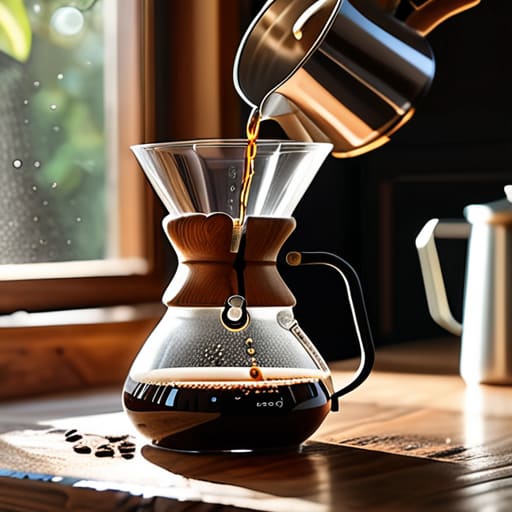
Look, you don’t need a $2,000 espresso machine sitting on your counter collecting dust and causing headaches. When I’m setting up a workspace—whether it’s a workshop or a kitchen—I look for tools that are durable, easy to clean, and do one thing exceptionally well. For anyone looking at coffee brewing equipment for beginners, I suggest starting with two reliable paths: a French press or a simple pour-over setup. The French press is the heavy lifter here; it’s nearly indestructible and forgiving if your timing is slightly off. If you prefer a cleaner, lighter cup, a manual pour-over is your best bet.
The real secret isn’t in the gadget, though; it’s in the variables. If you want to stop wasting money on mediocre beans, invest in a decent burr grinder. Using freshly ground coffee beans is the single most impactful change you can make to your morning routine. It’s the difference between a muddy mess and a cup that actually tastes like something. Pair that with a basic digital scale and a gooseneck kettle, and you’ve built a system that works every single time without the unnecessary complexity.
Mastering Freshly Ground Coffee Beans for a Consistent Morning Routine
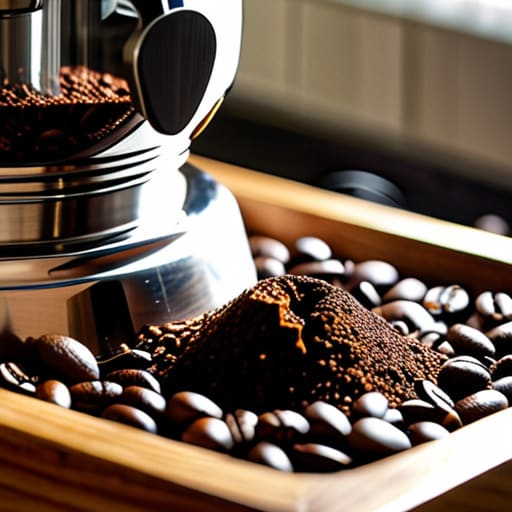
Look, you can buy the most expensive beans on the planet, but if they’ve been sitting in a pre-ground bag in your pantry for three weeks, you’re essentially wasting your money. Once those beans are cracked open, the clock starts ticking on their flavor. If you want a reliable cup, you need to invest in a decent burr grinder. Avoid the cheap blade grinders that look like little propellers; they don’t cut the beans, they smash them into uneven chunks. That inconsistency is what leads to a cup that tastes both bitter and sour at the same time.
To get a repeatable result every morning, you need to treat your grind size like any other system variable. If you’re following a french press brewing guide, you’re looking for something coarse, like sea salt. If you’re moving toward a more precise pour over coffee technique, you’ll want a finer, sand-like consistency. It’s all about finding that sweet spot where the water flows through the grounds at the right rate. Once you dial in your grind, the rest of your morning routine becomes a predictable, stress-free process rather than a guessing game.
Three Variables That Actually Matter (And Three That Don't)
- Stop obsessing over water temperature. Most people think they need a thermometer and a scientific degree, but if you’re using filtered water that’s just off the boil, you’re already 90% of the way there. Don’t let the gear intimidate you into overthinking a simple morning ritual.
- Get a decent scale. If you’re eyeballing your coffee-to-water ratio with a measuring spoon, you’re just guessing, and guessing leads to inconsistency. A cheap digital scale takes the guesswork out of the equation and ensures your cup tastes the same on Tuesday as it did on Monday.
- Watch your water quality. You can buy the most expensive single-origin beans in the world, but if you’re brewing with hard tap water that tastes like a swimming pool, you’re wasting your money. Use a basic water filter; it’s the single most effective way to let the actual flavor of the bean come through.
The Bottom Line on a Functional Setup
Stop chasing the latest $1,000 gadget; focus on high-quality basics like a reliable grinder and a consistent brewing method that won’t fail you when you’re in a rush.
Consistency beats complexity every single time—if you control your bean freshness and your water temperature, you’ve already won half the battle.
Cutting Through the Caffeine Noise
At the end of the day, making good coffee isn’t about owning a piece of countertop art that requires a PhD to operate. It comes down to the fundamentals we’ve discussed: investing in a reliable grinder, sourcing beans that haven’t been sitting in a warehouse for six months, and using equipment that actually serves a purpose. If you have a solid French press or a simple pour-over setup and you treat your beans with a bit of respect, you’ve already beaten most of the hype. You don’t need a complicated ritual; you just need a repeatable process that works every single morning.
Don’t let the endless stream of new gadgets and “perfect” brewing methods paralyze you. The goal here isn’t to win a barista competition; it’s to build a functional routine that gives you a moment of stability before the chaos of the day kicks in. Find a setup that fits your workflow, keep your tools clean, and trust the process. Once you nail the basics, you’ll realize that a great cup of coffee isn’t about the gear—it’s about the consistency.