
I spent years in corporate operations watching people obsess over “meal prepping” like it was some sacred, high-tech ritual involving twenty identical plastic containers and a Sunday afternoon lost to a kitchen sink full of dishes. It’s a lot of noise. Most of the advice you see online about how to use leftovers feels like it was written by someone who has never actually had to cook a decent meal after a ten-hour workday. You don’t need a complex system or a culinary degree; you just need to stop treating yesterday’s dinner like waste and start seeing it as pre-processed components.
I’m not here to give you some Pinterest-worthy recipe that requires a grocery run halfway through. My goal is to show you a few functional workflows for your kitchen that actually save you time and money. We’re going to focus on the mechanics of repurposing—turning that slab of roasted chicken or a bowl of wilted veggies into something that feels like a real meal, not a compromise. Let’s get down to the practical reality of making your food work for you.
Mastering Repurposing Cooked Proteins for Maximum Utility
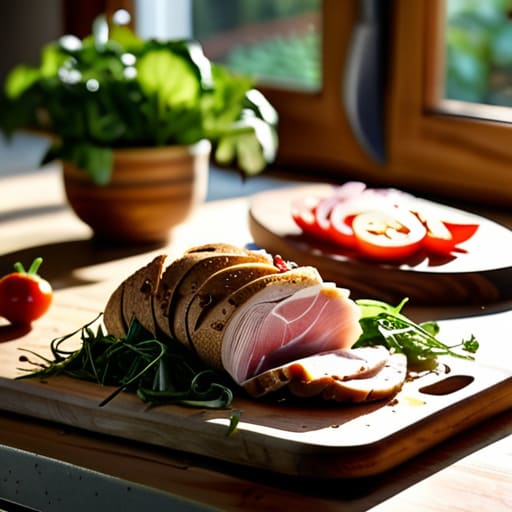
Proteins are the most expensive component of any meal, so treating them as single-use items is just bad math. Whether it’s a roasted chicken or a batch of seasoned flank steak, you need to view these as modular building blocks rather than finished products. If you’ve got leftover poultry, don’t just reheat it until it’s dry and sad; shred it while it’s still slightly warm and keep it in a sealed container. This makes repurposing cooked proteins much easier when you need to throw together a quick salad or a hearty wrap during a hectic workday.
The key to successful meal prep with leftovers is thinking one step ahead. I like to treat my Sunday roast like a kit of parts. That beef? It becomes the base for a quick chili or a stir-fry on Tuesday. That salmon? Flake it into a grain bowl. By breaking the protein down into its simplest form immediately after the initial cook, you eliminate the friction of “deciding what’s for dinner” when you’re tired. It’s about building a system that works for you, not against you.
Storing Food Safely to Prevent System Failure
Look, you can have the best meal prep strategy in the world, but if your storage setup is flawed, the whole system crashes. I’ve seen too many people treat their fridge like a junk drawer, tossing containers in haphazardly and hoping for the best. That’s not a plan; that’s a gamble with your health. To avoid a total breakdown, you need to treat storing food safely like any other operational protocol. Invest in a set of high-quality, airtight glass containers. They don’t leach chemicals, they seal tight, and they won’t stain when you’re dealing with a heavy tomato sauce.
The real trick to successful food waste reduction tips is understanding the lifecycle of what’s in your fridge. Don’t just shove everything in the back where it goes to die. Use a “First In, First Out” (FIFO) approach—the same way we manage inventory in a warehouse. If you know you have a container of roasted vegetables that needs to be used by Thursday, move it to the front. It’s a simple, low-effort habit, but it’s the difference between a functional kitchen and a trip to the trash bin.
Three Low-Friction Tactics for a Leaner Kitchen
- Build a “Base Component” Library. Don’t think of leftovers as individual meals; think of them as raw materials. That roasted vegetable medley or the batch of grains you made on Sunday isn’t a “leftover meal”—it’s a modular component you can drop into a grain bowl or a wrap on Wednesday when you’re too tired to actually cook.
- The One-Pan Reheat Rule. If a leftover requires more than one pan to revive, you’re adding unnecessary complexity to your evening. If you’ve got extra pasta, don’t pull out the heavy pots to make a sauce; just toss it in a skillet with a bit of butter or olive oil and some red pepper flakes. Keep the friction low so you actually do it.
- Audit Your Inventory Before the Grocery Run. Before you head to the store, do a quick sweep of the fridge. Most people buy duplicates of what they already have because they haven’t checked the “system.” If you have half a jar of salsa and some leftover taco meat, you don’t need more protein; you need a couple of tortillas and some fresh lime.
The Bottom Line on Kitchen Efficiency
Stop treating leftovers like an afterthought; view them as pre-prepped components for your next meal to save time and mental energy.
Invest in a few solid, airtight containers—if your storage system is flimsy, your food is going to fail before you get to it.
Building a Sustainable Kitchen System
At the end of the day, managing leftovers isn’t about being a gourmet chef; it’s about operational efficiency. We’ve covered how to pivot your proteins so they don’t feel like yesterday’s news and how to store them properly so you aren’t playing Russian roulette with food poisoning. If you treat your fridge like a managed inventory rather than a graveyard for forgotten Tupperware, you’ll save money and, more importantly, you’ll reclaim your time. It’s about minimizing waste and maximizing the utility of everything you’ve already paid for.
Don’t get hung up on perfection or fancy recipes. The goal here is to build a system that works when you’re tired, stressed, or just plain busy. When you stop viewing leftovers as “old food” and start seeing them as pre-prepped components, the mental load of meal planning starts to lift. Stop overcomplicating the process and just start applying these fixes. A smooth-running kitchen is a foundation for a much smoother life.