
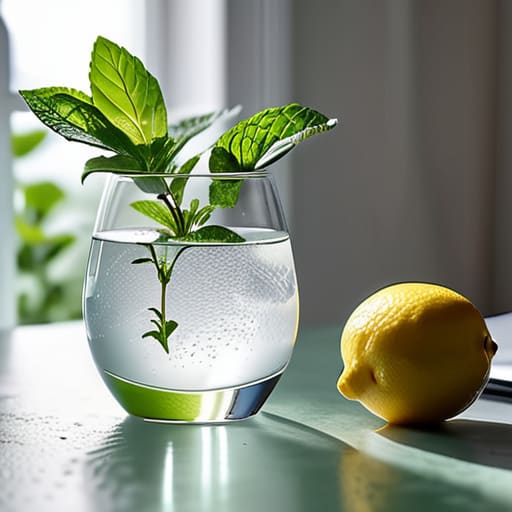
I’m tired of seeing people spend forty dollars on “alkaline ionizers” or those neon-colored electrolyte powders that taste like melted gummy bears just to solve a basic biological requirement. It’s ridiculous. If you’re looking for a complicated, expensive ritual to teach you how to drink more water, you’re looking in the wrong place. Most of these wellness influencers are just selling you noise, and frankly, it’s a waste of your time and your paycheck.
I’m not here to sell you a lifestyle brand or a subscription to a smart bottle that pings your phone every twenty minutes. My goal is to give you a few functional systems that actually stick—the kind of low-maintenance habits that work even when your day turns into a total grind. We’re going to strip away the fluff and focus on practical integration so you can stay hydrated without making it a second job.
Stop Guessing Using a Daily Water Intake Calculator Correctly
I’ve seen people spend way too much time scrolling through wellness forums trying to find a magic number, when the truth is, most of those “one size fits all” rules are useless. If you decide to use a daily water intake calculator, don’t treat the result like a law written in stone. These tools are just starting points based on your weight and activity level. They don’t account for the fact that you might be working in a heated workshop all afternoon or that the humidity is spiking.
Think of a calculator like a baseline setting on a synthesizer; it gives you a functional starting point, but you have to fine-tune it based on how your body actually responds. If you’re still noticing signs of dehydration—like that nagging afternoon headache or feeling unusually sluggish—the number the app gave you isn’t enough. Instead of blindly following a digital prompt, use the calculator to set a floor, then adjust upward based on your actual environment and output.
Recognizing the Real Signs of Dehydration Before They Fail You
Most people wait until they have a pounding headache or feel dizzy before they realize they’ve neglected their hydration. By then, you aren’t just thirsty; you’re already running on empty. I’ve learned through years of long consulting stints and weekend renovation projects that the early signs of dehydration are much more subtle. It usually starts with a strange, foggy feeling in your brain or a sudden drop in focus. If you find yourself staring at a spreadsheet for twenty minutes without processing a single line, your brain might just be thirsty.
Another red flag is how your body handles physical output. If you feel uncharacteristically sluggish during a routine task or notice your skin feels less elastic than usual, your system is signaling a deficit. Don’t rely on complex hydration tracking apps to tell you when you’re struggling; listen to your own biology. If you’re feeling irritable or your mouth feels like it’s full of cotton, stop looking for a complex solution and just go find a glass of water. It’s about preventative maintenance, not waiting for the engine to seize up.
Build a System, Not a Habit
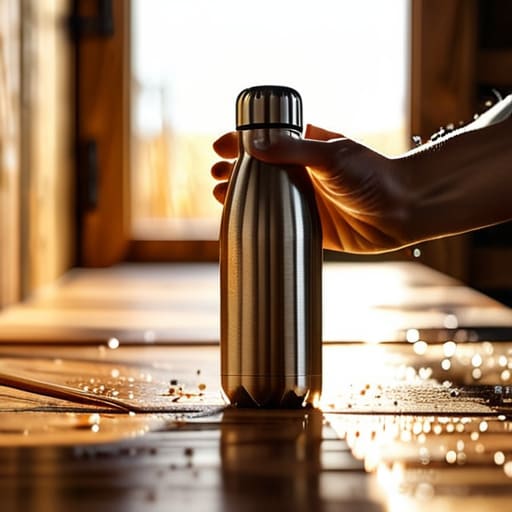
- Stop relying on willpower and start using visual cues. If your water bottle is tucked away in a cupboard, you aren’t going to drink it. Keep a dedicated, high-quality vessel on your desk or in your line of sight at all times. If you can’t see it, it doesn’t exist in your workflow.
- Tie your hydration to existing routines. I don’t try to “remember” to drink water; I attach it to things I already do. A glass right when I wake up, a bottle during every meeting, and a refill before I start dinner. It’s about creating a predictable sequence rather than chasing a goal.
- Batch your intake to avoid the “flush” effect. Chugging a liter of water at 4 PM won’t help you if you’ve been dry all day; you’ll just end up running to the bathroom every twenty minutes. Aim for consistent, smaller amounts throughout the day to keep your levels steady without disrupting your focus.
The Bottom Line: Building a System That Actually Sticks
Stop looking for a magic pill or a fancy app; just keep a reliable, high-quality water bottle within arm’s reach at all times to remove the friction of getting a drink.
Treat your hydration like any other operational system—monitor the feedback (your symptoms) and adjust your input until you find the steady state that keeps you functioning.
Getting the System Running Smoothly
At the end of the day, staying hydrated isn’t about finding some magical supplement or a high-tech smart bottle that pings your phone every ten minutes. It’s about basic maintenance. You’ve learned how to calculate your baseline, how to listen to your body’s warning signs, and how to stop treating hydration like an afterthought. If you can manage a complex project workflow or fix a leaky faucet, you can manage a water bottle. The goal is to move away from the guesswork and toward a reliable, repeatable system that keeps your engine running without constant manual overrides. Just focus on the fundamentals of consistency rather than chasing the next wellness fad.
Don’t feel like you have to overhaul your entire life by tomorrow morning. Just pick one tool—a decent refillable bottle or a set schedule—and start there. Small, incremental adjustments are what actually stick when the initial motivation fades. Build the habit, stabilize your energy, and let the rest of your day function with much less friction. You don’t need a revolution; you just need a solid foundation.