
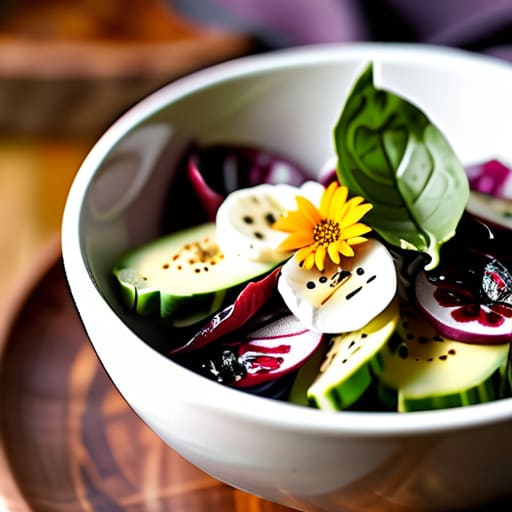
I spent most of my twenties eating what I can only describe as “sad, wet piles of leaves” during mid-day lunch breaks, usually because I thought a healthy diet meant sacrificing any semblance of joy. Most of the advice you see online about how to make salad interesting involves buying twenty-dollar bottles of artisanal vinaigrette or sourcing microgreens that wilt if you look at them wrong. That’s not a solution; it’s just expensive noise. If you’re staring at a bowl of limp romaine and wondering where it all went wrong, you don’t need a culinary degree or a massive grocery budget.
I’m not here to give you a list of trendy superfoods that taste like lawn clippings. Instead, I’m going to show you how to apply a bit of systems engineering to your plate by focusing on the structural elements—texture, acidity, and fat—that actually keep a meal from being a chore. We’re going to look at practical, high-utility additions that turn a bowl of greens into something that actually sustains you through a long afternoon.
Mastering Flavor Balancing in Salads for Lasting Satisfaction
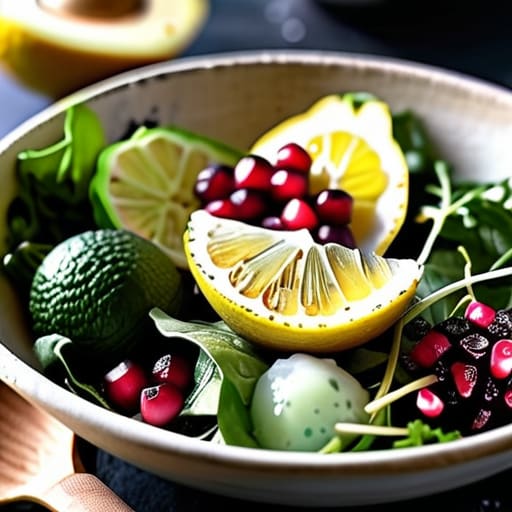
Most people treat a salad like an afterthought—a pile of greens they’re forcing themselves to eat because a doctor or a fitness app told them to. If your salad tastes like nothing, it’s usually because you’ve ignored the fundamental mechanics of flavor balancing in salads. You need to stop thinking in terms of “vegetables” and start thinking in terms of profiles. You want acid to cut through fat, salt to pull out sweetness, and a bit of heat to keep things from feeling one-dimensional. If you’re just dumping a heavy, store-bought dressing over a bowl of spinach, you aren’t eating; you’re just masking a lack of preparation.
To get this right, you have to treat your ingredients like components in a system. I don’t care how many “superfoods” you throw in if they don’t play well together. I find that the most reliable way to avoid a mid-day energy crash is to ensure you’re incorporating enough protein for salad satiety. Throw in some grilled chicken, chickpeas, or even a hard-boiled egg. When you combine a solid protein base with a sharp vinaigrette and a bit of crunch, you aren’t just eating a side dish—you’re fueling a machine that actually works.
Adding Texture to Salads Using High Utility Ingredients
If you’re just staring down a bowl of wet leaves, you’ve already lost the battle. A salad without structural integrity is just a side dish that feels like a chore. To fix this, you need to treat adding texture to salads like any other engineering problem: you need components that offer resistance. I’m talking about toasted nuts, seeds, or even some shaved radish. These aren’t just “garnishes”; they are the mechanical elements that prevent the meal from feeling like a monotonous mush.
Don’t overlook the importance of functional satiety either. If you want a meal that actually sustains you through a long afternoon, you need to integrate heavy-hitting, crunchy elements like roasted chickpeas or toasted pumpkin seeds. These act as reliable healthy salad toppings that provide a much-needed counterpoint to soft greens. When you combine a crisp, structural crunch with your base, you stop eating for the sake of “health” and start eating because the meal actually delivers a satisfying physical experience.
The Three Pillars of a Salad That Doesn't Feel Like a Chore
- Stop relying on bottled dressings that taste like sugar and chemicals. If you want a salad that actually tastes like food, you need to master a basic emulsion: good olive oil, something acidic like lemon juice or apple cider vinegar, and a pinch of salt. It takes thirty seconds, but it fixes the flavor profile in a way a factory-made bottle never will.
- Treat your greens like a foundation, not the whole building. If you’re just eating a bowl of spinach, you’re going to be hungry in twenty minutes. Incorporate “heavy lifters”—things like roasted sweet potatoes, chickpeas, or even leftover grilled chicken. You need caloric density to make the meal functional, not just decorative.
- Use temperature to your advantage. A salad doesn’t have to be a cold, lifeless pile of leaves. Throwing some warm, roasted vegetables or a slightly seared protein over a bed of cool greens creates a contrast that makes the whole experience feel intentional rather than accidental. It’s a simple way to make a meal feel substantial.
The Bottom Line: Building a Salad That Actually Works
Stop treating salad like a side dish of limp leaves; treat it like an engineering project where texture, fat, and acid are the structural components that prevent a mid-afternoon crash.
Build your bowls around high-utility ingredients—think nuts, seeds, and proteins—that provide lasting satiety rather than just chasing a temporary flavor trend.
Stop Settling for Sad Salads
At the end of the day, a decent salad isn’t about following a recipe from a glossy magazine; it’s about functional assembly. You’ve got the flavor balance down by hitting those acid and fat notes, and you’ve addressed the texture issue by moving past that limp, single-note lettuce. When you treat your ingredients like components in a well-designed system—focusing on crunch, protein, and seasoning—you stop eating out of obligation and start eating for actual sustenance. It’s about building something that actually works to keep you fueled.
Don’t let the “wellness” hype make this feel like a chore. You don’t need expensive, imported superfoods to make this happen; you just need a bit of intentionality and the right tools in your pantry. Start small, experiment with what you have on hand, and find the combinations that don’t leave you feeling unsatisfied an hour later. Once you master the basics of structure and seasoning, you’ll realize that consistency beats complexity every single time. Now, go fix that lunch.