
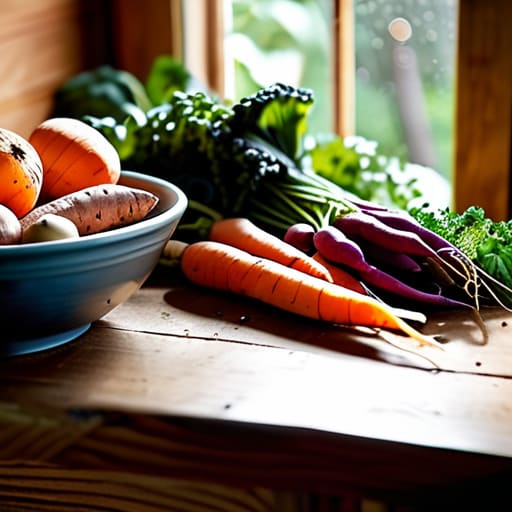
I spent most of my twenties navigating corporate offices where “wellness” meant buying a $12 bottle of cold-pressed green juice that tasted like lawn clippings. It’s a racket. The industry wants you to believe that healthy eating on a budget is impossible unless you’re stocking your pantry with exotic superfoods and organic powders that cost more than my first car. Honestly, most of that stuff is just expensive noise designed to separate you from your paycheck.
I’m not here to sell you on a lifestyle overhaul or a list of trendy ingredients you’ll use once and then let rot in the crisper drawer. Instead, I’m going to show you how to build a reliable, high-functioning food system using the basics—the kind of stuff that actually keeps your engine running without breaking the bank. We’re going to focus on practical, repeatable strategies that work in the real world, because at the end of the day, your nutrition should be a tool, not a luxury.
Mastering Affordable Whole Foods and Low Cost Protein Sources
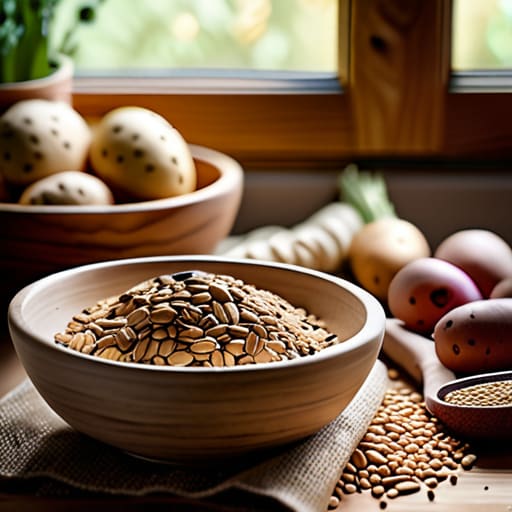
If you want to stop hemorrhaging money at the checkout counter, you have to stop looking at the flashy, branded packaging and start looking at the foundation. I’ve learned through years of managing complex systems that the most efficient way to fuel yourself is through affordable whole foods—think oats, brown rice, lentils, and potatoes. These aren’t exciting, and they won’t make for a viral social media post, but they are the reliable workhorses of a functional diet. They provide steady energy without the price tag of processed “health” snacks that are mostly just expensive air and marketing.
When it comes to building muscle or just staying satiated, you don’t need a premium steak every night. I tend to lean heavily on low cost protein sources like eggs, canned tuna, and dried beans. They are easy to store, have a long shelf life, and most importantly, they actually do the job. If you want to get serious about the math, start meal prepping for savings by buying these staples in bulk. It takes a little more discipline on a Sunday afternoon, but it keeps your system running smoothly and your bank account from hitting zero by the third week of the month.
Nutritious Grocery Shopping Tips for Minimizing Food Waste
The biggest drain on your wallet isn’t usually what you buy, but what you throw away. I’ve seen too many people head into a store with a vague idea of “eating healthy” only to come home with a fridge full of wilted greens and expensive specialty items that end up in the trash by Thursday. To stop the bleeding, you need a system. Before you even touch a shopping cart, take a hard look at what’s already in your pantry. Building a list based on what you actually need to complete a meal is the first step in minimizing food waste and keeping your overhead low.
Once you’re in the aisles, stop chasing every “superfood” trend and focus on versatility. If you buy a head of cabbage, don’t just plan one meal for it; figure out how it can work in a stir-fry on Tuesday and a slaw on Thursday. This kind of strategic meal prepping for savings ensures that every dollar spent is actually fueling your body rather than rotting in a crisper drawer. Stick to the basics, buy what you can use in multiple ways, and treat your grocery list like an operational blueprint.
Building a Sustainable Food System: Three Rules for Long-Term Success
- Stop chasing “superfoods” and embrace the staples. Most of the expensive, branded health products are just clever marketing designed to eat your margins. If you want real nutrition that won’t break the bank, focus on the heavy lifters: oats, beans, lentils, eggs, and seasonal vegetables. These are the reliable components that keep your engine running without the premium price tag.
- Batch-process your meals like a systems engineer. Cooking every single night is a recipe for burnout and expensive takeout orders when you’re tired. I treat my kitchen like a small-scale production line; I spend a couple of hours on a Sunday prepping large batches of grains or roasted veggies. It’s about creating a “buffer stock” of healthy options so that when life gets chaotic, the right choice is already sitting in the fridge.
- Audit your pantry before you hit the store. I’ve seen too many people walk into a grocery store with a vague idea of what they need, only to come home with a cart full of stuff they already have. It’s inefficient and wasteful. Before you leave, check your inventory, write a strict list based on what you actually need to build your meals, and stick to it. If it isn’t on the list, it doesn’t go in the cart.
The Bottom Line
Stop chasing the “superfood” labels and focus on a foundation of versatile, low-cost staples like legumes, grains, and seasonal produce that actually sustain you.
Treat your kitchen like an efficient system; by planning your buys and respecting your inventory, you stop throwing money in the trash through food waste.
Cutting Through the Noise
At the end of the day, eating well on a budget isn’t about chasing some elusive, expensive health ideal; it’s about building a reliable system. We’ve looked at how to prioritize versatile whole foods, how to source protein without breaking the bank, and how to shop with a plan to stop throwing money in the trash. If you focus on these fundamentals—the staples that actually fuel your body and the logistical habits that minimize waste—you’ll find that nutrition becomes a predictable part of your workflow rather than a source of constant stress.
Don’t let the marketing gurus convince you that wellness requires a massive monthly subscription or a pantry full of specialty powders. Real health is built on the boring, consistent stuff: the beans, the greens, and the smart decisions you make in the grocery aisle. It’s about creating a lifestyle that is durable and sustainable, even when the budget gets tight. Start small, stick to what works, and focus on building a foundation that stays solid when the trends inevitably fade.